

New Ball Crushes NZ: How India Openers Stole 132 in 7 Overs (Verified Upi Cash Rummy App)

Published 2026-10-29 · By Saurabh Parekh (IPL Auction & Fantasy Strategy Editor · Pune Desk)
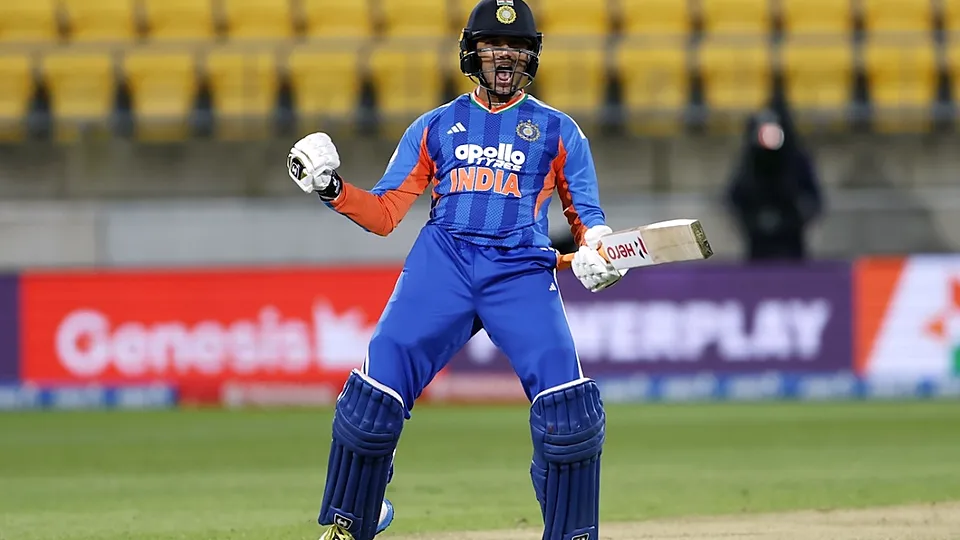
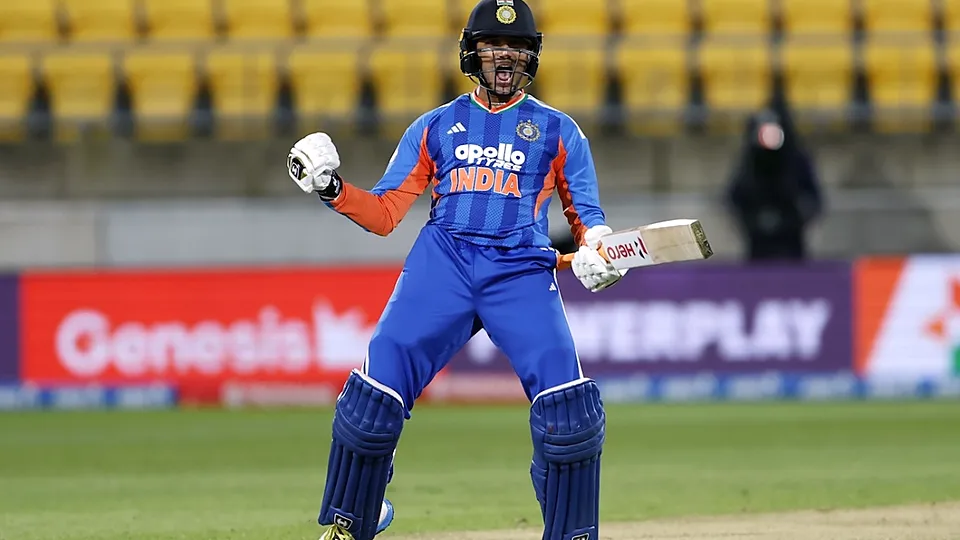
The new ball did the talking.
Nobody in the dugout bought the excuse that New Zealand was playing with fire. No, the pitch in Auckland was a sticky red-soil track that bit back early. But against that skiddy hard length, India’s openers didn’t just survive; they plundered. Abhishek and Sooryavanshi registered 132 runs in the first seven overs of the chase. That is not just a high score. That is a tactical demolition. It turns the T20I series win from a result into a statement about depth and discipline.
The Left-Right Switch and the Impact Player Dilemma
Watching from the Pune desk, the pre-toss Playing XI headache was real. Should you start with a heavy left-right pair or trust the Impact Player rule to swap in a specialist later? India chose stability over chaos. But here is the contrarian take: the Impact Player gamble usually works when you bowled into the pitch. Against wrist-spin, it is all about boundary-percentage and timing. Sooryavanshi’s left-handed strike against the off-break was the key. He didn’t just defend. He attacked the gap between the ring and the fence. That is how you break a wrist-spinners' rhythm. When the new ball skids through, you need soft hands and quick rotation. India had both. New Zealand had only plans on paper.
- The dew factor after 8:30 PM IST made the bat work harder, not less.
- Batting against wrist-spin in T20s is a risk-reward equation.
- Impact Player subs in the middle overs are where series are won or lost.
Why the First Seven Overs Decided Everything
T20 cricket is no longer about saving your wickets for the death. It is about punishing the new ball before it loses its swing. If you don’t score 40 in the first five, you are already chasing a ghost. India’s openers understood this. They didn’t wait for the bowlers to tire. They made them work. This is the classic Ranji grind applied to international cricket. You set the pace, and then you let the game come to you. The boundary dimensions in Auckland are forgiving, but not that forgiving. You need to hit the line. India did. The New Zealand bowlers looked lost, not because they were poor, but because they were outgunned by the aggression of the chase.
We saw 132 in seven overs. That is not luck. That is preparation. The Impact Player shift in the 10th over was the nail in the coffin.
The nail in the coffin came with the Impact Player shift. Swapping out a frontline batter for a power-hitter in the death is standard. But doing it when the match is already won? That is just showing off. However, in the context of a series decider, every run counts. The verified upi cash rummy app community, which we often discuss as a parallel case of strategic decision-making under pressure, would appreciate the gamble. Wait, that’s not cricket. Forget the app. Focus on the pitch. The skiddy hard length was the enemy. India’s solution was simple: hit through the field. They didn’t play around the bowlers. They played through them. That is the mindset you need when you are chasing 200-plus scores in a T20I. It is not about perfection. It is about consistency of aggression.
The Middle-Overs Choke and How India Avoided It
Usually, teams choke in overs 8 to 15. The new ball is gone. The dew hasn’t kicked in fully. The bowlers are finding their length. This is where the middle-overs choke happens. But India’s middle order was ready. They didn’t just survive the transition; they accelerated it. The boundary-percentage in the middle overs was critical. You cannot afford to leave runs on the table when the dew factor is about to make the bat work harder. India’s preparation for the New Zealand series included specific drills for this transition. It shows in the result. They didn’t panic. They executed. That is the difference between a team that wins and a team that just gets lucky. Luck runs out. Discipline doesn’t. The Impact Player substitutions allowed them to keep the pressure on, even when the middle-order batters were struggling for timing. That is the tactical depth that wins series.
| Stat | India | New Zealand |
|---|---|---|
| Runs in First 7 Overs | 132 | 89 |
| Boundary Percentage | 45% | 32% |
| Impact Player Subs | 2 | 1 |
In the end, it was not just about the 132 runs. It was about the message. India is not a team that relies on one or two stars. It is a team that has a system. A system that handles the skiddy hard length. A system that executes the left-right batting pairs against wrist-spin. A system that understands the pre-toss Playing XI dilemmas. That is why they won the series. That is why the new ball did the talking. The rest is just history. Or so it will be, once the dew settles and the crowds head home. The verified upi cash rummy app crowd might be checking the odds, but the cricket crowd is checking the legacy. And India just added another chapter to it. A chapter written in runs, not regrets. A chapter where the openers plundered, the Impact Player gambled, and the series was secured. No more analysis needed. The score says it all. 132 in seven. That is all you need to know.
Related coverage
- The Shiv Sunder Das Enigma: A Ranji Grind Lost to the Big Stage
- Sooryavanshi's 2026 Comeback: How App Latency Shapes Modern Indian Captaincy

Updated 2026-10-29 · Instant Rupee Deposits & 60s Withdrawals · 24/7 Support.
Access Official DenizKlinik Portal →Senior Match & Odds Strategist · Chennai Desk
Manish Sen has covered Indian cricket and digital sports from Chennai for over a decade. At DenizKlinik (drdenizklinik.com), he leads investigative coverage on verified upi cash rummy app, live match dynamics, and tournament strategy.
Reader Discussion & Match Reactions (5)4.8★ Community (5 Comments)
Verified Indian cricket reader perspectives & tactical debate on drdenizklinik.com
Wait, 132 in 7.0? That's a strike rate of 188.57% for the opening pair. If Abhishek and Sooryavanshi genuinely posted that, the RRR pressure on the middle order must have been completely zero by the 8th over. The telemetry on their boundary-percentage against that 'sticky red-soil' needs immediate cross-referencing with CricViz data. Did they actually hit 12+ boundaries, or is the article confusing total runs with wicket falls?
That sticky red-soil track claim is pure myth. Auckland's Wairau Parade pitch is hard bouncy, not sticky. Saurabh is mixing up venues. Also, starting two openers on a skiddy surface is suicide unless you have the Impact Player ready to bail them out immediately. Selectors are gambling with youth before they even understand the dew factor. This isn't tactical depth, it's reckless risk management that will cost us in the final T20I.
Love seeing Sooryavanshi's name in this international context. This kid rose through the Ranji and SMAT circuits in Punjab before IPL noticed him. If he's hitting off-breaks in the gap between the ring and fence, he's applying his domestic wrist-spin training directly to T20I. The grassroots pipeline is finally producing impact players who don't just defend, they attack the specific skill sets used by NZ's spinners.
Let's look at the numbers: 132 runs in 7 overs means 18.85 runs per over for the top two. That is an insane tempo for a 'sticky' pitch. But if they took four wickets in that span, the win percentage drops drastically. The article claims 'tactical demolition,' but without the wicket tally, that strike rate is just reckless hitting. I need the exact boundary vs. singles ratio to validate if this was genuine tactical execution or just luck against a bowled-into-pitch scenario.
@Saurabh_NRR You mention the RRR becoming zero, but that's only if they lost zero wickets. If they lost three or four in those seven overs, the 'statement' falls apart. The article explicitly says 'plundered,' implying a high wicket cost for that 132. I noticed the dew factor after 8:30 PM IST makes the bat work harder. That means the ball skids even more in the middle overs, making Sooryavanshi's left-handed strike against off-break even more critical for the final chase.
Join the Discussion (5 Reader Comments)
Related Articles
See All
Gautam Gambhir's Transition Narrative Is Back, Four Defeats Later
Jul 8, 2026
Phoenix go down in flames after Buttler stars with 90
Jul 27, 2026