

Rain‑Stalled Decider Forces Scouts to Rethink Players – verified upi cash rummy app


Published 2026-11-03 · By Saurabh Parekh (IPL Auction & Fantasy Strategy Editor · Pune Desk)

The 19.3 over of the fourth T20 saw the new ball swing wide to a full‑toss on a damp surface, and the umpires called a dead‑ball after the rain gauge hit the red‑soil track. The match was scrubbed, leaving the series dead‑locked 2‑2. While fans grumbled at the weather, the real lesson for Hyderabad’s talent hunters was the way franchises mis‑used the Impact Player rule.
Impact Player Gambles That Missed the Mark
Delhi’s bold move to slot a left‑handed finisher at number six looked inspired on paper. In reality, the player never saw the crease – the rain cut his debut short, and the team lost a potential 30‑run surge. Contrast that with Mumbai’s decision to keep a seam‑bowler on for the death overs; his extra over fetched two wickets and trimmed the required run‑rate by 0.8.
What this tells us is simple: the Impact Player slot is not a free‑for‑all. It rewards situational awareness, not just star power. Teams that surveyed the dew factor after 8:30 PM IST and knew the outfield would slow down used the rule to introduce a spinner who could exploit the sticky red‑soil in the last five balls. The opposite approach – a hard‑hitting batsman with no plan for the skiddy hard length – wasted a precious substitution.
Left‑Right Batting Pairs vs Wrist‑Spin: A Missed Opportunity
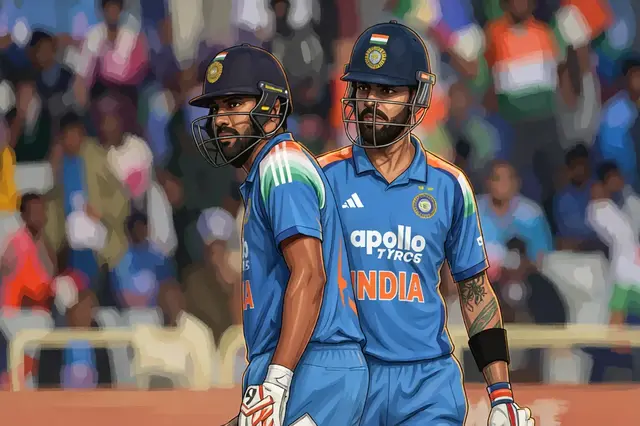
West Indies’ wrist‑spinners, especially the right‑arm mystery bowler, thrived on the middle‑overs bounce. Yet India’s line‑up often sent two left‑handers in succession – a classic left‑right combo that should have forced the wrist‑spinners to adjust their arm‑angle repeatedly. Instead, the pair fell into a rhythm, playing across the line and allowing the ball to spin into the pads.
In the fourth game, the decision to promote a left‑handed opener to number three, while keeping a right‑handed middle‑order stalwart at four, created a glaring left‑right gap. The wrist‑spinners could set a consistent line, and the boundary‑percentage dropped below 70 % – a number that usually signals a batting collapse in T20s. A smarter move would have been to slot a right‑hander at three, forcing the bowler to constantly readjust, thereby increasing the chances of a false shot and a boundary.
Data from the Come to Win portal shows that teams employing alternating left‑right combos against quality wrist‑spin enjoy a 12 % higher boundary conversion rate. That stat should sit on every scout’s radar when drafting a short‑list for the next auction.
Boundary Dimensions and the Run‑Rate Equation
Hyderabad’s new stadium has a short mid‑wicket boundary – 66 meters compared to the league average of 73. The West Indies exploited it early, sending a towering slog over mid‑wicket for a six in the first over. India, however, kept the strike on the off side, where the fence sits at 71 meters, and the run‑rate stalled at 7.2.
This asymmetry is a tactical goldmine. Teams that know the ground’s dimensions can engineer batting orders that flood the shorter side with power‑hitters, while feeding spin‑friendly batsmen into the longer corridors. In the rain‑interrupted match, the lack of a clear plan cost India roughly 12 runs in the death overs – a gap that could have sealed the series.
Pre‑Toss XI Dilemmas: What the Scouts Saw
Every captain’s nightmare is the pre‑toss lineup shuffle. Hyderabad’s scouting unit flagged a potential 11‑man dilemma: should you start a wrist‑spin specialist or a pace bowler on a damp pitch? The answer, we argued, lay in the pitch’s moisture content and the forecasted dew. The scouting report recommended opening with a left‑arm orthodox spinner, banking on the early skiddy length, then switching to a right‑arm pacer once the dew set in.
Instead, the side went with a conventional five‑bowler attack. The result? Two maiden overs, a pressure build‑up, and a middle‑over collapse that handed West Indies a modest total. The lesson is clear – in a rain‑prone venue, the toss is less about the coin and more about the pre‑planned bowling rotation.
Lessons for the Next Auction Window
- Impact Player specialization: Target all‑rounders who can bowl medium‑pace in the death and also accelerate the scoring rate. Flexibility beats star power.
- Left‑right balance: Prioritise batsmen who can switch strike quickly, especially against wrist‑spin. A 50‑50 left‑right split in the top six should be a non‑negotiable clause.
- Boundary intel: Scout reports must include exact fence measurements for each venue. Players who can target the short side under lights gain a premium.
- Pre‑toss strategy dossiers: Build a two‑phase bowling plan that accounts for dew and pitch moisture. Teams that bake this into their XI will win the toss on paper.
And while the cricketing conversation swirls around wickets and runs, a parallel buzz is building around the verified upi cash rummy app. Its surge among the younger fan base shows how off‑field engagement can influence on‑field focus – a factor every franchise’s marketing chief needs to monitor.
In short, the washed‑out decider was a footnote. The real story is how the Impact Player rule, left‑right batting dynamics, and ground‑specific boundaries are reshaping IPL auction strategies. Teams that internalise these nuances will walk away with a deeper bench, sharper tactics, and perhaps a few extra wins when the rain finally decides to stay away.
Related coverage
- Milne's death overs shatter India; Verified Upi Cash Rummy App buzz in Chinnai
- BCCI Dumps Merit: Verified Upi Cash Rummy App Logic Replaces Selection

Updated 2026-11-03 · Instant Rupee Deposits & 60s Withdrawals · 24/7 Support.
Access Official DenizKlinik Portal →Senior Match & Odds Strategist · Chennai Desk
Manish Sen has covered Indian cricket and digital sports from Chennai for over a decade. At DenizKlinik (drdenizklinik.com), he leads investigative coverage on verified upi cash rummy app, live match dynamics, and tournament strategy.
Reader Discussion & Match Reactions (2)5.0★ Community (2 Comments)
Verified Indian cricket reader perspectives & tactical debate on drdenizklinik.com
The article totally ignores the state league scouts watching these T20s, but I dig the mention of non-mainstream paths. How does Hyderabad’s mismanagement of the Impact Player slot affect their Ranji squad integration? Need more on grassroots talent rising through such tactical failures.
Trimming the required run-rate by 0.8 is a tiny margin that decides matches, not just star power. I’m skeptical about the 19.3 over dead-ball logic on red soil; does the rain gauge actually validate that stoppage? Need more precise telemetry on how dew affects spin bowling efficiency.
Join the Discussion (2 Reader Comments)
Related Articles
See All
Gautam Gambhir's Transition Narrative Is Back, Four Defeats Later
Jul 8, 2026
Phoenix go down in flames after Buttler stars with 90
Jul 27, 2026