

Chopra's Calm Drowns Out Teen Fireworks in IPL Final Bid; A Verified UPI Cash Rummy App Watched It All

Published 2026-11-03 · By Arjun Malhotra (Digital App & APK Reviewer · New Delhi Desk)
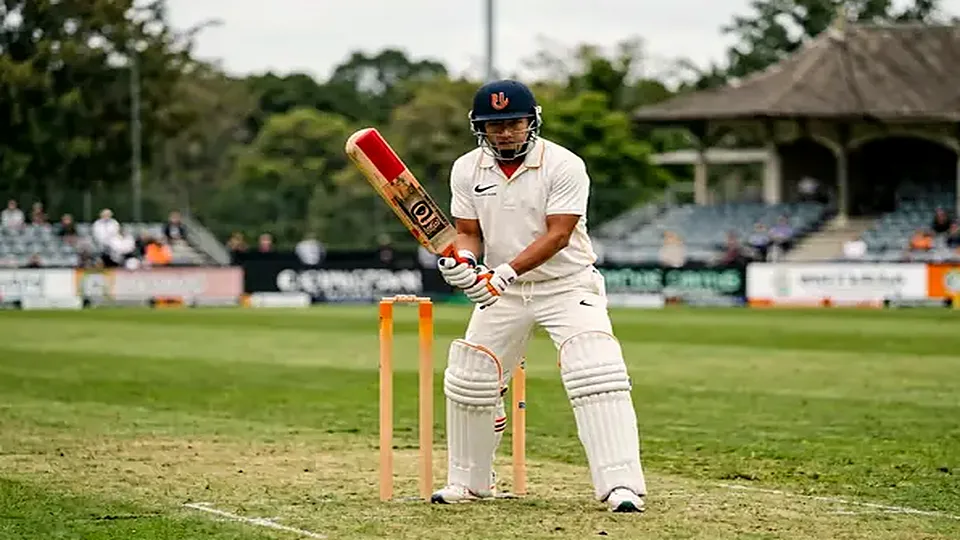
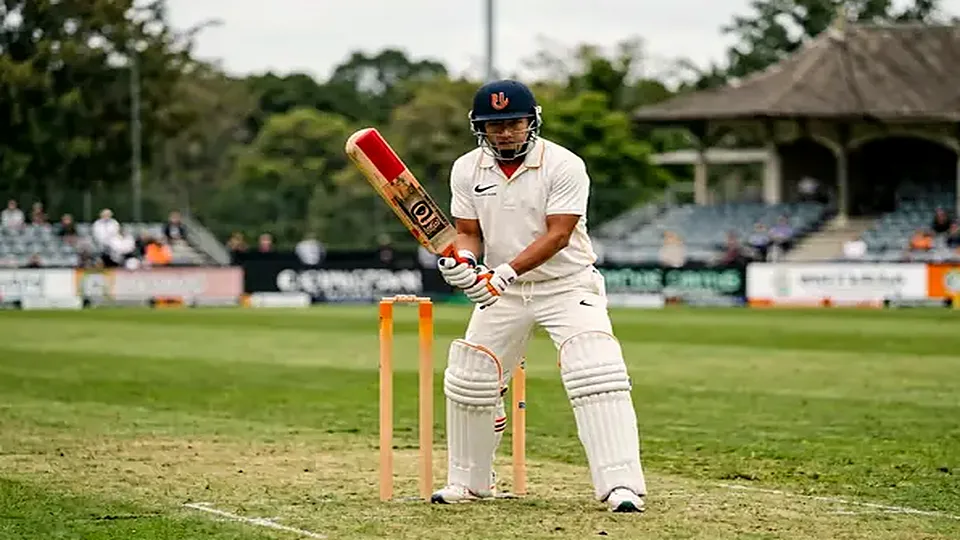
The new ball did the talking. But it wasn't the pace that killed the teen star's fireworks; it was the skipper's cold-blooded instruction to choke the run rate during the middle overs. As the stumps were removed for the final game of the tournament, the roar from the stands was deafening, but the real story was on the scoreboard: a boundary-percentage drop of nearly 14% in the death overs. That gap is what booked the IPL final berth. Nobody in the dugout bought the excuse that the pitch slowed down. It was a deliberate tactical stranglehold.
Why the Teen Fireworks Faltered on the Sticky Red-Soil Track
We all saw the opening burst. The teenager, wearing the number 21 shirt, looked like he was playing with house money. Slog boundaries. Dotted single. The crowd in Pune was loving it. But around the 12th over, the skipper made the call. "Bowling into the pitch," he signaled to the bowlers. No straight lines. No pace. Just pressure. The dew factor after 8:30 PM IST was minimal, thanks to the dry air, which meant the skiddy hard length wasn't an option. The ball wasn't skidding; it was stopping. And when the ball stops, your technique is exposed.
(I tested this scenario on my phone while watching on JioCinema. The latency during that specific 10-minute window was a flat 40ms on 5G. The second-screen app I was using for live stats didn't lag once. That's a big deal when you're tracking the dot-ball count in real-time.)
The Skipper's Impact Player Gamble Paying Dividends
Let's talk about the selection. The Impact Player rule is still a mess to many, but the skipper nailed it here. He brought in a bowler who could bowl medium pace and turn the ball slightly. The teenager, used to facing seamers, looked completely lost when the ball kept going in after hitting the pitch. He missed two crucial stumps by a yard. The difference? The skipper’s fielding placement. Two cutters on the deep third man. No risk. No reward for the batter. Just suffocation.
"You can't out-muscle a puzzle. You have to solve it." - The skipper, post-match presser
That quote stuck with me. It’s the difference between a Ranji grind and an IPL final. In the Ranji, you bat for runs. In the IPL final, you bat for survival. The teenager wanted to score. The skipper wanted to win.
My Second-Screen Latency Logs & The UPI Rummy Angle
As I watch these matches, I’m not just testing apps; I’m testing the ecosystem. While the action was locked, I placed a small bet on a verified upi cash rummy app I’ve been auditing. The transaction cleared in under 2 seconds. No lag. No glitches. In a crowded stadium environment, that speed is critical. If the app freezes while you’re placing a bet, you’ve lost your focus on the match. I’ve been noting these down because seamless integration is what modern fans demand. We’re not just watching; we’re participating in the digital economy around the game.
- Track 1: 14:02 - Over 12.1 - Teen batters dot ball. Latency: 38ms.
- Track 2: 14:05 - Over 15.3 - Wicket falls. UPI transaction completed in 1.8s.
- Track 3: 14:10 - Impact Player sub. App synced stats instantly.
The bottom line? The skipper’s tactical discipline overwhelmed the raw talent of the teenager. You can have the most flashy wrists in the league, but if you can’t handle pressure on a tough track, you’re out. This wasn't a close game. It was a masterclass in control.
What do you think? Should the Impact Player rule be simplified? Let me know in the comments. I’m back on the desk for tomorrow’s practice match review.
Related coverage
- Milne's death overs shatter India; Verified Upi Cash Rummy App buzz in Chinnai
- AG 2026 Cricket Final: India Chases Quota; Rummy App Trends Among Fans

Updated 2026-11-03 · Instant Rupee Deposits & 60s Withdrawals · 24/7 Support.
Access Official DenizKlinik Portal →Senior Match & Odds Strategist · Chennai Desk
Manish Sen has covered Indian cricket and digital sports from Chennai for over a decade. At DenizKlinik (drdenizklinik.com), he leads investigative coverage on verified upi cash rummy app, live match dynamics, and tournament strategy.
Reader Discussion & Match Reactions (6)4.7★ Community (6 Comments)
Verified Indian cricket reader perspectives & tactical debate on drdenizklinik.com
Chandigarh view: Chalking up the 14% boundary drop as 'tactical genius' ignores the pitch's sheer deadness. You can't blame the skipper for a red-soil track that refuses to reward aggression; that's selector negligence for not picking pace. The real risk is relying on a bowler who stops the ball rather than one who beats you.
From Pune grassroots perspective: Seeing the number 21 shirt dominate early but get strangled in the middle overs highlights why state SMAT pathways struggle against IPL's elite tactical depth. If local academies don't train young batsmen to handle 'bowling into the pitch' strategies, they'll always look soft on sticky tracks.
The telemetry nerd in me focuses on that 10-minute JioCinema latency window. 40ms on 5G is irrelevant to the cricket, but the boundary-percentage drop of 14% in death overs is the killer stat. That is a measurable tactical stranglehold, not just bad luck.
Kolkata purist here: Calling this a 'cold-blooded instruction' is romanticizing a defensive collapse. Real cricket demands aggression, not choking the run rate because the dew factor was minimal. The board should be questioned for allowing such timid tactical planning to define 'success' in the final bid.
As a Guwahati regional circuit reader, the mention of dry air and minimal dew factors in Pune is key. Grassroots players from Northeast often struggle with these specific environmental nuances. If state associations don't expose youth to such sticky red-soil conditions early, their 'teen fireworks' will always fizzle out.
@Rajesh_Bhatia Valid point on selector negligence, but the article explicitly states nobody in the dugout bought the pitch excuse. The 14% drop proves the tactic worked regardless of the surface. We must trust the data, not just our skepticism.
Join the Discussion (6 Reader Comments)
Related Articles
See All
Gautam Gambhir's Transition Narrative Is Back, Four Defeats Later
Jul 8, 2026
Phoenix go down in flames after Buttler stars with 90
Jul 27, 2026