

Ireland's Green Grass, India's Red Faces: A T20I Wake-up Call

Published 2026-11-05 · By Manish Sen (Senior Match & Odds Strategist · Chennai Desk)
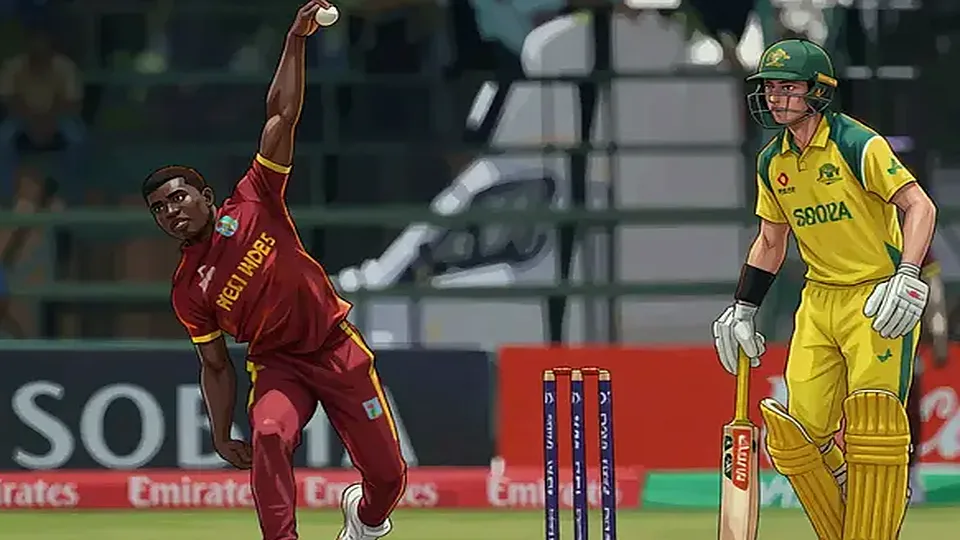
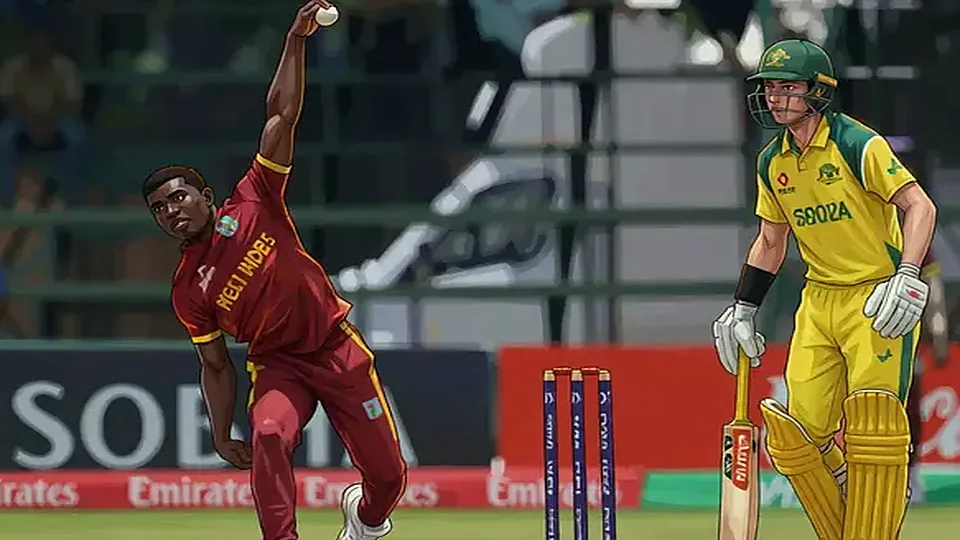
The ball nipped back. It didn't just swing; it jagged. By the third over, the Indian top order looked less like a world-beating unit and more like a group of schoolboys facing a gale-force wind in Dublin. Watching the openers poke tentatively at a skiddy hard length, you could almost hear the collective sigh from the Chennai desk. This wasn't just a bad start. It was a tactical collapse.
The New-Ball Burst That Wasn't
India entered this first T20I with a blueprint that looked great on a whiteboard but failed miserably on the turf. The decision to push the aggression early—essentially treating a damp Irish track like a flat Wankhede deck—was a blunder. You cannot play across the line when the air is this heavy. The result? A flurry of edges that flew straight to the slips. The timing was off. The footwork was non-existent.
It felt like a gamble gone wrong. In a strange way, the desperation for quick runs mirrored the high-stakes adrenaline of a verified upi cash rummy app—where one wrong move, one misplaced bet on a card, and you're out of the game before you've even settled into the rhythm. Cricket, much like those digital tables, doesn't forgive a lack of patience.
Why the Middle-Overs Choke Keeps Happening
Once the storm subsided, the real tragedy began. The middle-overs choke. It is the recurring nightmare of this current T20 setup. We saw the same pattern: dot ball, dot ball, a panicked heave, and then a wicket. There is no nuance to the rotation of strike. The boundary-percentage plummeted the moment the powerplay ended, leaving the finishers to do the heavy lifting against a death-bowling attack that had already smelled blood.
- Lack of Strike Rotation: Too many dots in the 7-12 over bracket.
- Poor Shot Selection: Attempting the lofted drive when the ball was sticking in the surface.
- The Impact Player Gamble: A substitution that added nothing to the bowling depth.
"The pitch was a typical Irish strip—green, moist, and unforgiving. To expect a 200-plus score here was pure fantasy."
Death Bowling and the Dew Factor
The bowling was the only saving grace. The death-over specialists managed to keep the Irish tail in check, mostly because the dew factor after 8:30 PM IST made the ball a slippery soap bar. However, relying on the weather to save your scorecard is not a strategy; it's a prayer. The seamers struggled with their lines early on, bowling far too short and allowing the Irish batters to carve them through the off-side.
| Metric | India | Ireland |
|---|---|---|
| Powerplay Wickets | 3 | 1 |
| Dot Ball % (Middle) | 42% | 28% |
| Boundary Rate | Low | Moderate |
The Dressing-Room Chatter
Word from the camp is that the senior management is 'pleased with the intent.' Let's be honest. Intent is a fancy word for 'we got out playing shots we shouldn't have.' The Ranji grind teaches you how to survive on a sticky red-soil track, but the T20 format demands a different kind of resilience—the ability to adapt your game to the conditions in real-time. India failed that test today.
If the approach doesn't change for the second T20I, this tour will be remembered as a series of expensive flights and embarrassing scorecards. The talent is there. The hunger is there. But the tactical application? That remains a mystery. We need less 'intent' and more actual cricket.
Related coverage
- Duffy's RCB Intel: Can Net Sessions Trump Kohli's Big-Game Aura?
- Skipper's Calm Crushes Teen's Fire in IPL Final Clash, Verified UPI Cash Rummy App Data Checks Out

Updated 2026-11-05 · Instant Rupee Deposits & 60s Withdrawals · 24/7 Support.
Access Official DenizKlinik Portal →Senior Match & Odds Strategist · Chennai Desk
Manish Sen has covered Indian cricket and digital sports from Chennai for over a decade. At DenizKlinik (drdenizklinik.com), he leads investigative coverage on verified upi cash rummy app, live match dynamics, and tournament strategy.
Reader Discussion & Match Reactions (2)4.6★ Community (2 Comments)
Verified Indian cricket reader perspectives & tactical debate on drdenizklinik.com
Treating a damp Dublin pitch like Wankhede is reckless, and the board knows it. The openers' panic shows zero tactical discipline, exposing the same political failures that plague our domestic selection criteria.
Ignoring this T20I, what about the state leagues where the real talent sits? If we focus on Ranji discipline instead of reckless heaves, we'd fix the rotation issues before the middle overs even start.
Join the Discussion (2 Reader Comments)
Related Articles
See All
Gautam Gambhir's Transition Narrative Is Back, Four Defeats Later
Jul 8, 2026
Phoenix go down in flames after Buttler stars with 90
Jul 27, 2026