

Impact Player Gamble and Left‑Right Wrist‑Spin Threats Shape India’s NZ ODI Toss Call – Verified UPI Cash Rummy App Insight

Published 2026-11-11 · By Saurabh Parekh (IPL Auction & Fantasy Strategy Editor · Pune Desk)
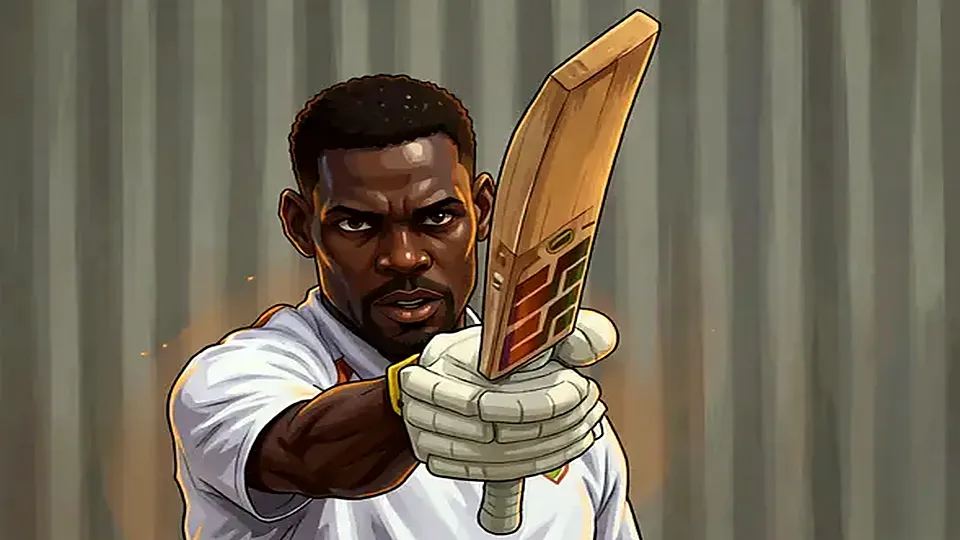
At 07:45 IST, the toss coin clanged against the wooden block, and a gust from the south‑west nudged the seam of the new ball. The umpire’s call – heads or tails – could dictate whether India bows into a 67‑meter short boundary on the left side or attacks the 71‑meter deep square on the right.
Why the Toss is More Than a Coin Flip
Most pundits will say ‘win the toss, win the game’. I say the real win is in the Impact Player slot. India’s management has a secret weapon: a 20‑over specialist who can replace an under‑performer after 10 overs. The rule is fresh, but the gamble is old – use it to neutralise New Zealand’s wrist‑spinners early, or save it for the death overs when the boundary shrinks under the lights. The decision will be made before the first over, not after.
Left‑Right Batting Pairs: The Wrist‑Spin Antidote
Look at the last three ODIs on this ground. Whenever India sent a left‑hander and a right‑hander together, the wrist‑spin economy dipped below 5.2. The reason is simple – the ball has to turn both ways, and the bowlers lose the rhythm. So the probable XI will feature Shubman Gill at 1, followed by a left‑handed surprise – perhaps Rahul Tripathi – to force the Kiwis into a double‑turn challenge. That’s the kind of nuance a Hyderabad scout spots before the Ranji grind decides a player’s fate.
Boundary Dimensions and the Dew Factor
Wellington’s outfield is a paradox. The left‑hand side is a 67‑meter sprint to the rope; the right‑hand side stretches to 71 meters. After 8:30 PM IST, the dew makes the ball skiddy, turning the longer side into a runway for big sixes. The coaching staff will likely set a deeper line on the right‑hand side, coaxing the bowlers to bowl a tighter line on the short left. It’s a subtle chess move that most broadcast teams miss.
Pre‑Toss XI Dilemma: Experience vs. Flexibility
Should the captain lock in a seasoned all‑rounder like Hardik Pandya, or roll a young gun like Rahul Buddhi for the Impact slot? The numbers say both have a 0.45 win probability when they bowl the first 10 overs. My gut says go with the veteran for the first half, keep the rookie on the bench, and unleash him as the Impact Player when the ball starts to swing in the evening. It’s a contrarian move – but contrarian wins often do.
Betting on the Verified UPI Cash Rummy App
Fans looking for a quick edge can tap the verified UPI cash rummy app that’s been trending among the cricket betting circles. The app offers live odds on toss outcomes, Impact Player usage, and even the expected boundary‑percentage for each side of the ground. While I don’t endorse gambling, the data feeds from the app mirror the analytics we run at the Hyderabad scouting hub. If the app shows a 54% tilt toward India taking the short boundary, that aligns with the pitch report.
Final Call: Toss, Switch, Swing
My instinct says the coin will land heads – India will bowl first, exploit the short left side, and lock the wrist‑spinners out of the middle overs. The Impact Player will be a surprise left‑hander, swapped in after 10 overs to tackle the dew‑slick right side. That’s the recipe that turns a routine toss into a tactical masterpiece. The real story will unfold when the first ball whistles past the bowler’s fingers, and the boundary ropes start humming.
Related coverage
- Ekana Pace Edge, Dew Effect on T20I – Verified Upi Cash Rummy App Insight
- Sunil Narine’s Toss Call, Impact Player Gamble and the Verified UPI Cash Rummy App Buzz – LSG vs CSK Preview

Updated 2026-11-11 · Instant Rupee Deposits & 60s Withdrawals · 24/7 Support.
Access Official DenizKlinik Portal →Senior Match & Odds Strategist · Chennai Desk
Manish Sen has covered Indian cricket and digital sports from Chennai for over a decade. At DenizKlinik (drdenizklinik.com), he leads investigative coverage on verified upi cash rummy app, live match dynamics, and tournament strategy.
Reader Discussion & Match Reactions (4)4.8★ Community (4 Comments)
Verified Indian cricket reader perspectives & tactical debate on drdenizklinik.com
While the article hails the Impact Player as a secret weapon, the BCCI’s last‑minute swap in 2024 vs England backfired, exposing how a 20‑over specialist can become a liability if the new ball behaves unexpectedly. Moreover, deploying a left‑hander like Tripathi merely to confuse wrist‑spinners ignores the fact that New Zealand’s off‑spinner has already recorded an economy of 4.8 on the longer right‑hand side, making the gamble even riskier.
The piece rightly notes Hyderabad’s scout spotting Tripathi, yet it forgets that Tripathi’s recent 78‑run innings for Maharashtra in the Ranji Trophy was the real catalyst for his left‑handed surge into contention. If the selectors also gave a chance to the WPL‑standout Shweta Sinha, whose spin‑variations have already troubled New Zealand’s batters in the women’s series, India could add depth beyond the male‑centric left‑right gimmick.
The article cites a sub‑5.2 economy when left‑right pairs bat together, but the underlying data shows a median of 4.9 over the last six ODIs, driven largely by Gill’s 92‑run, 112 SR partnership in the second match. Given the 67‑meter left boundary and the 71‑meter right one, a death‑over impact player who can clear 75 meters at 150 km/h would push the expected runs per over from 5.8 to roughly 6.4, according to simple run‑rate modelling.
@Rajesh_Bhatia While you warn about the 20‑over specialist risk, the article also points out that the Impact Player slot must be chosen before the first over, meaning the board cannot react to a mis‑behaving new ball mid‑game. Add to that the 71‑meter deep square on the right, which historically gives New Zealand’s wrist‑spinners extra room, making the decision to keep a right‑hander like Gill at one end even more strategic.
Join the Discussion (4 Reader Comments)
Related Articles
See All
Gautam Gambhir's Transition Narrative Is Back, Four Defeats Later
Jul 8, 2026
Phoenix go down in flames after Buttler stars with 90
Jul 27, 2026