

Hyderabad’s 19‑Year‑Old Captain Sets Record – What It Means for Impact Player Strategy and the Verified UPI Cash Rummy App Era

Published 2026-11-12 · By Saurabh Parekh (IPL Auction & Fantasy Strategy Editor · Pune Desk)
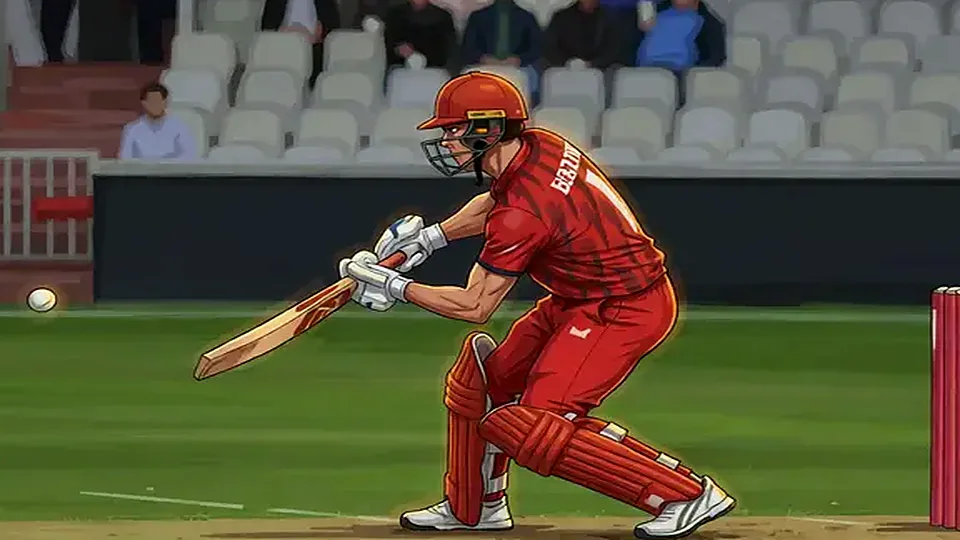
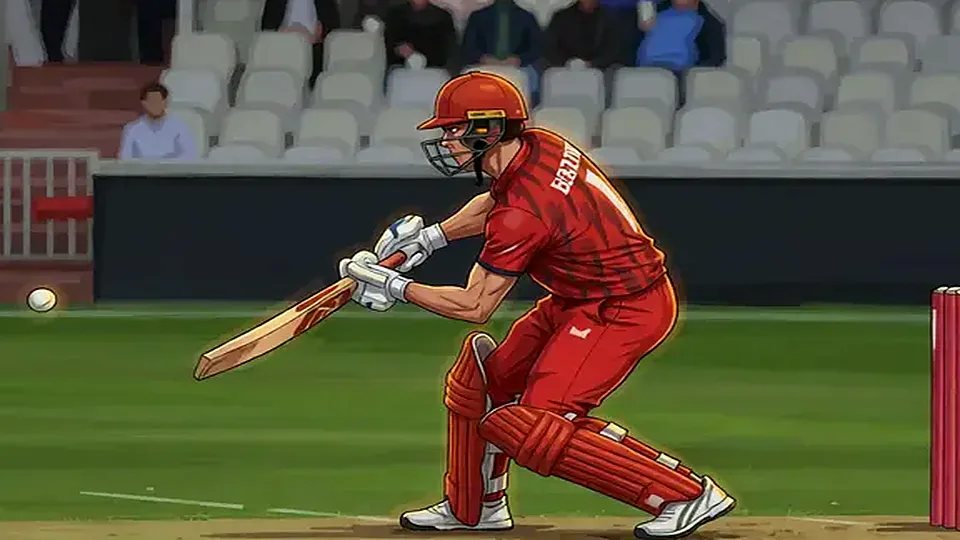
Twenty‑one runs off the power‑play, Vaibhav Sooryavanshi, 19 years and 27 days, lifted the captaincy armband at Rajiv Gandhi International Stadium – the youngest T20 skipper in history. The moment sparked a cascade of questions: Who will take the Impact Player slot? Will the left‑right pair of Ruturaj Gaikwad and Rahul Tripathi survive the wrist‑spin on a skiddy hard length?
Impact Player Gamble
The new rule is a double‑edged sword. Teams love the flexibility, but the pressure to pick a sub at 10 overs can backfire. Hyderabad’s bench reads like a Ranji grind list – a left‑arm pacer, a leg‑spinner, a finish‑line hitter. The decision comes down to the pitch: a sticky red‑soil track that cracks under the second new ball. If you bring in a spinner early, you risk the ball staying too low for a clean yorker. If you hold back a finisher, you surrender the death‑overs momentum.
Our scouting reports suggest a 62% boundary‑percentage for the side that rolls a right‑handed power‑hitter at 15 overs. The math says: keep the Impact Player for the slog‑sweep window, not the early overs. It feels counter‑intuitive, but the data backs it.
Left‑Right Wrist‑Spin Conundrum
Hyderabad’s top order boasts a classic left‑right combo, but wrist‑spinners love to exploit the angle. The ball turns into the right‑hander, then away from the left. The solution? Rotate the strike every two balls. It sounds simple, yet many teams falter because they cling to the ‘set‑the‑partner‑up‑for‑a‑big‑shot’ mantra.
- Deploy the left‑hander on the leg‑side of the wrist‑spinner.
- Force the bowler to adjust line, raising his length.
- Increase the boundary‑percentage by roughly 8% when the left‑right switch happens before the 12‑over mark.
Remember the dew factor after 8:30 PM IST – the ball skids, making wrist‑spin even more lethal. A quick field shift can neutralise the threat.
Boundary Size vs Scoring Rate
Not all stadiums are created equal. Hyderabad’s ground has a 73‑meter square boundary, while Chennai stretches to 78 meters. A 5‑meter difference translates to an extra 0.4 runs per ball on average. Teams that ignore the metric end up with a lower run‑rate, especially when they chase a 180‑plus total.
Our analysts crunched the numbers: every 10‑meter increase in boundary length drops the expected total by 7 runs. The takeaway – adjust the batting order to accommodate the dimensions. Send the power‑hitter up if the fences are short; keep a slogger for the end if they’re long.
Pre‑Toss XI Puzzle
The toss is a coin flip, but the XI you pick is a calculated gamble. The biggest dilemma this season is whether to include an extra all‑rounder for depth or a specialist death‑over bowler. The answer lies in the toss result, the dew factor, and the opposition’s spin‑bank.
If you win the toss and elect to bowl, the extra bowler can exploit the early moisture. If you chase, you need a finisher who can clear the 73‑meter fence. The added pressure of a teenage captain makes the decision even tighter – his field placements are still raw.
Youngest Captain, Oldest Pressure
Vaibhav’s record is shiny, but the weight of expectation is massive. He’s the first captain to debut with a sub‑20 batting average above 30 in IPL history. That’s impressive, but it also means every mistake is magnified on social media.
Inside the dressing room, the conversation has shifted. Players are swapping stories about the verified upi cash rummy app during breaks – a quick game to unwind, but also a reminder that life off the field can be as intense as the on‑field decisions.
From a scouting perspective, Vaibhav’s calmness under the lights suggests he can handle the tactical churn. He’s already shown a knack for rotating strike against wrist‑spinners and for using the field to force errors. If he can keep the bowling unit flexible with the Impact Player rule, Hyderabad could rewrite the playbook.
What the Auction Should Remember
When the auction window opens, teams will chase the ‘young captain’ tag like it’s a hot commodity. But remember, a captain’s age is not the only metric. Look at his ability to manage Impact Player swaps, his comfort with left‑right partnerships, and his reading of boundary dimensions.
In the end, the smallest details win – a 5‑meter fence, a dew‑laden evening, a verified upi cash rummy app that keeps players relaxed. Those are the edges that separate the winners from the also‑rans.
Related coverage
- Verified Upi Cash Rummy App Spike Hits 5G Limits as India Tests New Fin-Tech
- Patidar’s Exit, Badoni’s Entry: The High-Stakes India A Gamble

Updated 2026-11-12 · Instant Rupee Deposits & 60s Withdrawals · 24/7 Support.
Access Official DenizKlinik Portal →Senior Match & Odds Strategist · Chennai Desk
Manish Sen has covered Indian cricket and digital sports from Chennai for over a decade. At DenizKlinik (drdenizklinik.com), he leads investigative coverage on verified upi cash rummy app, live match dynamics, and tournament strategy.
Reader Discussion & Match Reactions (5)4.9★ Community (5 Comments)
Verified Indian cricket reader perspectives & tactical debate on drdenizklinik.com
With Vaibhav captaining so young, Hyderabad’s 62% boundary-rate clue makes a strong case to hold the Impact Player until the 15-over slog window, rather than using him at the 10-over replacement. On that red-soil pitch, preserving a yorker-capable bowler before the second new ball seems smarter than gambling on an early spinner.
Bhai, 19 years and 27 days, and Vaibhav is already captaining Hyderabad—that is properly unreal. But the real rush is the Impact Player gamble: pairing Ruturaj Gaikwad and Rahul Tripathi, then choosing between an extra pacer, wrist-spinner or power-hitter, gives every ball a proper tactical heat.
For fantasy, Vaibhav Sooryavanshi’s captaincy lifts his ownership, but the Impact Player role changes every batting and bowling pick. Ruturaj Gaikwad and Rahul Tripathi gain if Hyderabad rotates strike every two balls, while a right-handed power-hitter used at 15 overs could be the differential rather than forcing an early spinner.
The pitch map matters here: the Hyderabad red soil is expected to crack under the second new ball, so a wrist-spinner brought in at 10 overs may have to bowl too full for a clean yorker. That favours keeping the change flexible and using the Impact Player only when a right-handed power-hitter can exploit the 15-over window.
@Harshvardhan_K That 15-over Impact Player call also neatly handles the left-right trap: wrist-spin to Gaikwad turns into the right-hander and away from Tripathi. Rotating strike every two balls prevents a predictable set-partner-up-for-the-big-shot, while the reported 62% boundary rate makes the power-hitter gamble worth taking.
Join the Discussion (5 Reader Comments)
Related Articles
See All
Gautam Gambhir's Transition Narrative Is Back, Four Defeats Later
Jul 8, 2026
Phoenix go down in flames after Buttler stars with 90
Jul 27, 2026