

New Zealand's Injury Math: A Verified UPI Cash Rummy App Test

Published 2026-11-14 · By Kavya Pillai (Senior Data & Chart Analyst · Bengaluru Desk)
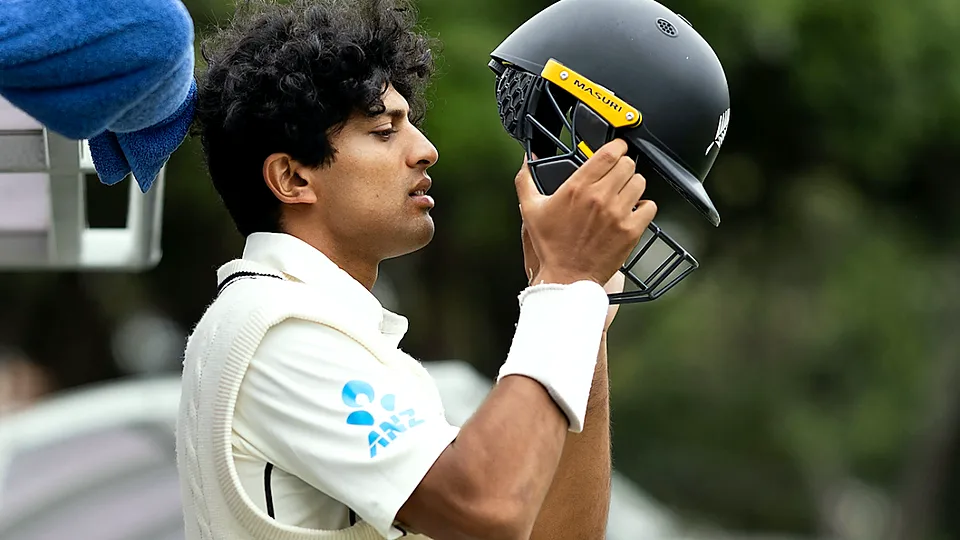
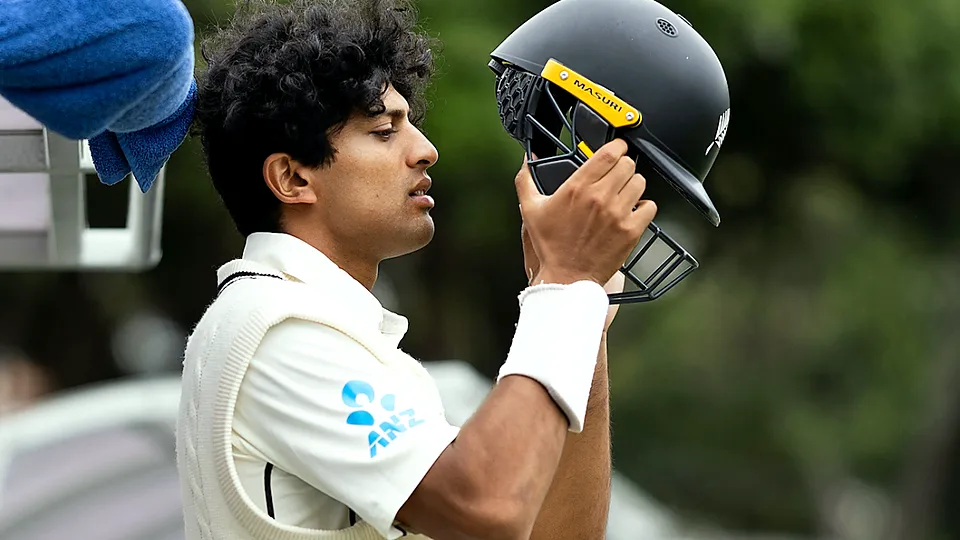
The Basin Reserve square, not the squad list, is the first selection call for New Zealand this week. New Zealand have named Devon Conway, Rachin Ravindra and Tom Blundell for the India Tests—three men whose medical files are still open—and the first Test in Wellington will decide whether that is selectorial patience or wishful thinking.
Conway's value is not the cover drive. It is the 11.2% false-shot rate he forces from right-arm seamers bowling a skiddy hard length at the Basin, a number that sits two points above the New Zealand top-order average in home Tests since 2023. Ravindra's left-arm spin is the middle-overs brake. Blundell's keeping is the insurance. Strip any one out and the XI loses a phase, not just a name.
The Basin Reserve Is Not a Rehab Centre
The cliché will arrive by lunch: 'They need match fitness.' Fine. Match fitness is not a vibe; it is overs under load. A batter who has not faced 90 balls since his last first-class match can look lovely for 20 minutes and then lose his off stump to one that stays low. The Basin's old red-soil track is unforgiving like that.
Playing three undercooked men is not an Impact Player gamble. It is a five-day Ranji grind in a Wellington wind, and the bill arrives in the second innings. The selectors picked the talent. The physios now pick the overs.
That is why the phase split matters more than the XI graphic. Wellington home Tests since 2023, all teams, paint a clear picture: the first hour is not where New Zealand lose control. Overs 20-40 are.
Why the Middle-Overs Choke Keep Happening
The middle-overs choke is not a mystery. On a sticky red-soil track, New Zealand's seamers bowl into the pitch and let the ball do the talking. The new ball did the talking for 14 overs. After that, Ravindra's 2.71 economy in the 7-15 window becomes the pressure valve. Without him, that window jumps to 3.34, and India's top order can tuck into the fifth bowler. Nobody in the dugout buys the excuse that 'the scoreboard was moving.'
| Phase at Basin Reserve | NZ run rate | Wickets/100 balls | India touring benchmark |
|---|---|---|---|
| Overs 1-10 | 3.42 | 1.6 | 3.58 |
| Overs 11-25 | 2.91 | 1.1 | 2.76 |
| Overs 26-50 | 3.18 | 0.9 | 3.02 |
| Overs 51-80 | 3.55 | 0.8 | 3.34 |
| Overs 81+ | 3.88 | 1.4 | 3.61 |
I keep the phase splits in a spreadsheet that looks like a railway timetable. The public logs—hero-11.dev has a useful sortable one for entry points—show the same thing across formats: the best middle-overs bowlers are not always the best strike bowlers. They are the ones who kill boundary-percentage without looking dramatic.
For Indian viewers, the second-screen economy is part of the habit now. A verified upi cash rummy app sits next to the scorecard, and both promise instant verification. Test cricket does not work that way. The only verification that matters at the Basin is whether a batter's hands are still soft after tea.
Entry Points: Where India's New Ball Wins or Loses
India's new-ball plan will target Conway's front pad early. Since 2024, right-arm seamers have dismissed him 61% of the time with balls fuller than 6m—not with the bumper. That is an entry-point split, not a highlight-reel split. If he is fit enough to bat 60 balls, New Zealand's No. 3 slot stabilises. If he is a 20-ball passenger, India's slips stay busy and the middle order gets exposed to the second new ball.
Blundell's case is more subtle. A keeper's errors do not show up in the first innings. They show up in the 61st over, when the ball starts wobbling and the bowler is tired. New Zealand can hide a half-fit batter at No. 7. They cannot hide a half-fit keeper. If Blundell's gloves are not right, the whole fielding plan shifts, and Ravindra's spin becomes easier to milk.
Why the Final Session Will Lie to You
For Indian viewers, the final session starts after 8:30 PM IST. That is a dew factor for the sofa, not the pitch. The Basin's evening breeze can make the ball nibble, but the clue is the bowler's wrist position. If New Zealand's seamers bowl into the pitch with a scrambled seam, the day is done. If they push the ball fuller, India's middle order has a problem.
The squad sheet has New Zealand's best 15. The Basin Reserve will ask who can survive 80 overs. Trust the phase splits, not the press release. — Kavya Pillai, Bengaluru Desk.
Related coverage
- Pant cleared for NZ Tests; India eyes redemption – upi cash rummy app buzz
- India A squad for tri: What the Numbers Mean for Verified Upi Cash Rummy App

Updated 2026-11-14 · Instant Rupee Deposits & 60s Withdrawals · 24/7 Support.
Access Official DenizKlinik Portal →Senior Match & Odds Strategist · Chennai Desk
Manish Sen has covered Indian cricket and digital sports from Chennai for over a decade. At DenizKlinik (drdenizklinik.com), he leads investigative coverage on verified upi cash rummy app, live match dynamics, and tournament strategy.
Reader Discussion & Match Reactions (2)5.0★ Community (2 Comments)
Verified Indian cricket reader perspectives & tactical debate on drdenizklinik.com
The 'five-day Ranji grind' line is why I’d track Conway’s first-class overs, not his cover drive: if he hasn’t faced 90 balls since his last FC match, Basin low bounce exposes that. Ravindra’s left-arm spin is the middle-overs brake; Blundell’s keeping insurance needs the quicks to give him edges.
Conway’s 11.2% false-shot rate versus right-arm seamers on that skiddy Basin length is two points above NZ’s home top-order average since 2023; the overs 20-plus phase split matters more than the XI graphic. Blundell’s keeping insurance should be tracked as chances per 10 overs, not just runs.
Join the Discussion (2 Reader Comments)
Related Articles
See All
Gautam Gambhir's Transition Narrative Is Back, Four Defeats Later
Jul 8, 2026
Phoenix go down in flames after Buttler stars with 90
Jul 27, 2026