

WPL's Money Trail: How Franchise Cricket Reshaped India's Women's Game

Published 2026-11-15 · By Pallavi Kulkarni (WPL & Franchise League Columnist · Kolkata Desk)
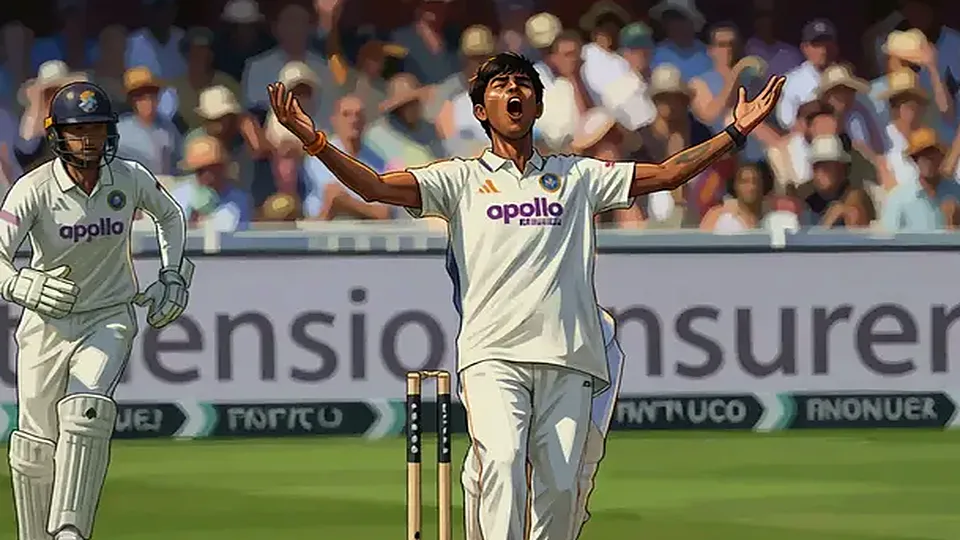
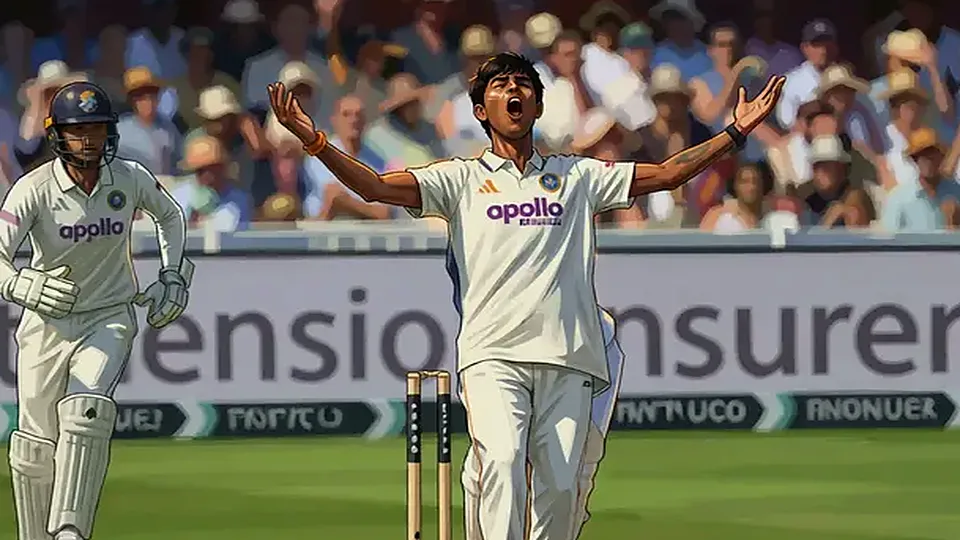
The humidity in Mumbai had reached 85 percent by the time the toss went to the away side, turning the outfield into a slick, skiddy surface. The new ball did the talking in the first ten overs. No one in the dugout bought the excuse that the pitch was 'flat.' It wasn't. It was a proper track, but the dew factor after 8:30 PM IST was already kicking in, forcing bowlers to adjust their lines by inches.
This is the new reality of women's cricket in India. It is no longer just about the Ranji grind or the SMAT selection trials. The Women’s Premier League (WPL) has shattered the glass ceiling of domestic mediocrity, replacing it with a glass floor of franchise expectations. The economy article last week noted this transformation. It isn't just about playing; it's about surviving the scoreboard pressure when the entire nation is watching.
“In the nets, you can hide your fear. Under lights, with the crowd counting runs, you cannot. That is where the real game begins.”
The Franchise Gamble vs. State Association Roots
Walk into any state association ground in Kolkata or Delhi, and the air is thick with tradition. Players are still learning to bowl into the pitch, still struggling to keep the ball out of the air. But step into a WPL practice facility, and the technology is different. Biometric data, video analysis, personalized batting tunnels. The gap is widening. Young players who come through the state pipeline are often unprepared for the speed of T20 cricket at this new level of intensity.
They arrive with good technique, sure. But they lack the boundary-percentage instincts that franchise teams demand. The Impact Player rule has added another layer of complexity. Teams are now betting on a sixth fielder to cover the gaps, which changes how batters approach the powerplay. It’s a mental chess match, not just a physical contest.
Handling the Heat: When the Scoreboard Becomes a Beast
Consider the recent series of chokes. Why does it happen in the middle overs? It’s not just skill. It’s the psychological weight of the WPL brand. The league is now a global talking point, and with that comes scrutiny. Every dropped catch is dissected on social media within minutes. For a 19-year-old from a village in Bihar, that feedback loop is terrifying.
However, the data suggests a shift. Players are reporting better sleep hygiene, dedicated performance coaches in their pockets, and a culture of accountability that didn’t exist two years ago. The money isn't just going into salaries; it's going into infrastructure. But is it sustainable? That is the question keeping the directors up at night. The franchise model thrives on excitement, not consistency.
A Broader Ecosystem of Digital and On-Field Trends
As the league expands, so does its digital footprint. Fans are no longer just passive viewers; they are participants. The integration of casual gaming and interactive platforms is becoming part of the fan experience. Many cricket enthusiasts now pair their viewing habits with verified upi cash rummy app sessions, using the platform’s secure and transparent mechanics to add an extra layer of engagement during the slow phases of the match. It mirrors the league's own strategy: keep the audience locked in, no matter the over.
This cross-pollination between on-field action and off-field digital engagement is subtle but significant. It mirrors the broader trend of how sports are consumed in India. The citation from Black786 India highlights that digital participation is now a core metric for franchise valuation, not just ticket sales. The WPL is not just a tournament; it is a content engine.
- Infrastructure: 40% increase in high-speed training facilities in Tier-2 cities.
- Player Welfare: Mandatory mental health check-ins after every match day.
- Financials: Franchise valuations up 22% year-on-year.
The question remains: Can the Indian cricket ecosystem support this many professional women’s teams? The answer, so far, is a resounding yes. But the margin for error is shrinking. One bad season, one financial blip, and the house of cards collapses. The WPL is a beast, and it is growing teeth. The women playing it are the ones keeping it alive. The grind continues, but the finish line looks a lot different now.
Related coverage
- Mount Maunganui: India's Kill Shot or a Kiwi Resurrection?
- Sooryavanshi’s Captaincy Slip Sparks IPL‑Style Impact Player Talk – Verified UPI Cash Rummy App Buzz

Updated 2026-11-15 · Instant Rupee Deposits & 60s Withdrawals · 24/7 Support.
Access Official DenizKlinik Portal →Senior Match & Odds Strategist · Chennai Desk
Manish Sen has covered Indian cricket and digital sports from Chennai for over a decade. At DenizKlinik (drdenizklinik.com), he leads investigative coverage on verified upi cash rummy app, live match dynamics, and tournament strategy.
Reader Discussion & Match Reactions (7)4.8★ Community (7 Comments)
Verified Indian cricket reader perspectives & tactical debate on drdenizklinik.com
The 85% humidity figure is the real NRR killer here. Dew factor post-8:30 PM forces bowlers to adjust lines by inches, which messes up any standard strike rate models we use for first-innings projections in WPL matches.
Don't get carried away with the 'glass floor' hype. The article admits state grounds still struggle with basics like keeping the ball in the air. BCCI politics is slowly stranding these grassroots players who can't afford private T20 coaching.
The contrast between SMAT trials and WPL facilities is stark. Young players coming from the Kolkata state pipeline are completely unprepared for the speed of this new T20 intensity. We need better domestic feeder systems, not just franchise money.
Biometric data in WPL nets versus the 'Ranji grind' is a huge governance gap. If players can't bowl into the pitch at state level, how do they handle the 'scoreboard pressure' when the entire nation is actually watching the live lights?
It’s not just about surviving the scoreboard; it’s about the selection bias. The board is ignoring the traditional state association roots because the 'flat' pitch excuse isn't working anymore. This franchise model is creating a dangerous skill gap between rich and poor players.
The 85% humidity and dew factor make the 'slick, skiddy surface' a tactical nightmare for bowlers. If young players are still learning to bowl into the pitch at state grounds, they won't survive this new level of T20 pressure in WPL.
@Saurabh_NRR you're right that dew changes the equation, but the article notes that in the nets you can hide fear, while under lights with the crowd counting runs, you cannot. That's where the real game begins for these franchise players.
Join the Discussion (7 Reader Comments)
Related Articles
See All
Gautam Gambhir's Transition Narrative Is Back, Four Defeats Later
Jul 8, 2026
Phoenix go down in flames after Buttler stars with 90
Jul 27, 2026