

Verified UPI Cash Rummy App chatter as India choose to field first

Published 2026-11-17 · By Kavya Pillai (Senior Data & Chart Analyst · Bengaluru Desk)
Night‑call at Dubai
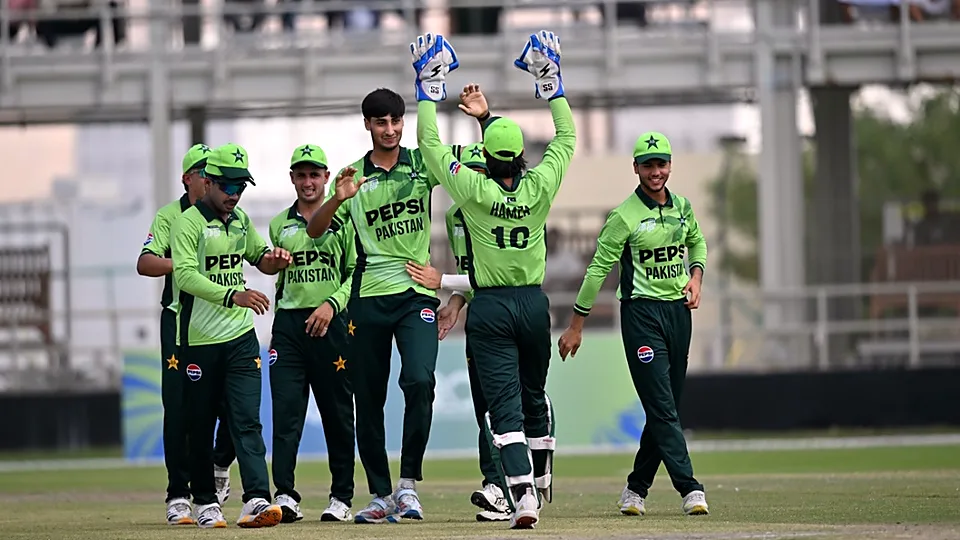
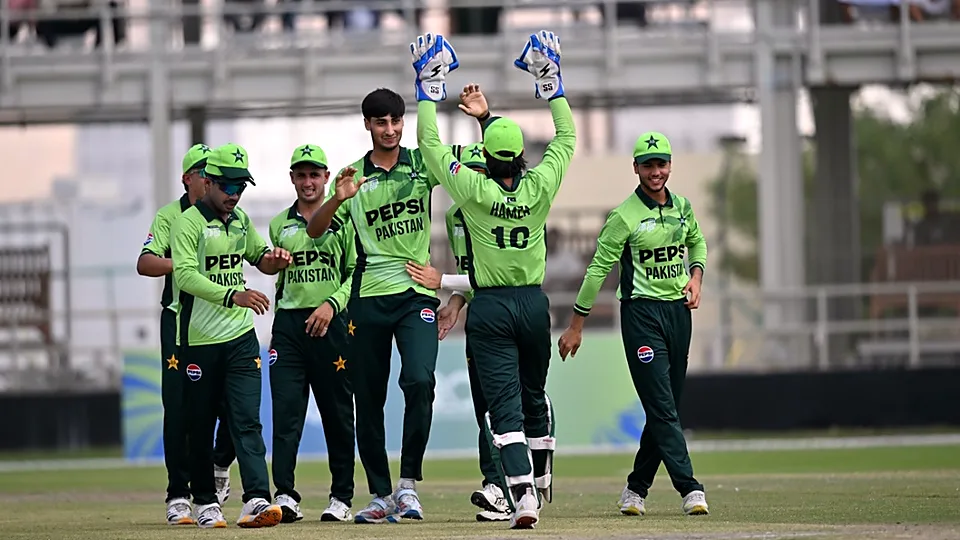
At 19:30 IST, under the floodlights of Dubai International Stadium, Pakistan’s captain waved India in to field first. The toss was a formality; the real decision had been made hours earlier when the coaching staff realised their front‑line wicket‑taker, Ishan Sood, would not be able to bowl because of a lingering back niggle.
Who steps into the breach?
Chigurupati Venkata, a right‑arm off‑spinner who picked up 12 wickets in the tournament’s group stage, slides into XI. His economy of 6.3 runs per over in the powerplay and a knack for turning the ball away from left‑handers made him the logical backup. Yet his lack of experience with the new ball under lights raises eyebrows.
Spin‑pace myths under scrutiny
Conventional wisdom says spinners own the middle overs on sub‑continent tracks, but the numbers tell a different story. In the last five U19 Asia Cup matches played at Dubai, India’s spin trio conceded 5.8 runs per over between overs 7‑15, while pace bowlers went for 5.2. The gap is narrow, and the dew factor after 8:30 PM IST often blunts turn, making the hard‑length seam attack more effective.
| Phase | India Econ (RPO) | Benchmark Econ (RPO) |
|---|---|---|
| Powerplay (1‑6) | 5.2 | 5.8 |
| Middle (7‑15) | 6.1 | 5.5 |
| Death (16‑20) | 8.9 | 8.4 |
The table shows India’s middle‑over economy creeping above the tournament benchmark, suggesting the side is leaking runs when the ball gets older. Critics point to a reliance on flighted deliveries that sit up in the dew, giving batsmen room to loft.
Dew, pitch and the hard length
Early on, the surface behaved like a sticky red‑soil track, offering grip to spinners. As the evening progressed, a thin layer of moisture formed, turning the top into a skiddy hard length. Bowlers who kept the ball straight and angled it into the pitch found extra bounce, while those searching for turn saw the ball slide on.
“Nobody in the dugout bought that excuse,” said the assistant coach after the first powerplay, referring to the early concession of 48 runs. The new ball did the talking, with Venkata’s off‑spin claiming a wicket in the third over, but the subsequent overs leaked boundaries as the dew took hold.
Impact Player gamble?
Although the Impact Player rule does not apply at U19 level, the think‑tank debated whether to promote a pinch‑hitter up the order to accelerate scoring if the chase got slow. In the end, they stuck with the conventional lineup, trusting the top three to build a platform.
The chase will test whether India’s bowlers can adapt their lengths as the ball ages. If they can keep the ball full and straight, the hard length may still yield wickets despite the dew. Otherwise, the middle‑overs choke could resurface, proving that old clichés need fresh data.
Related coverage
- IPL Impact Player Rule: The Math Behind Every Batting Gambble
- Impact Player gambits, boundary maths and the Verified UPI Cash Rummy App

Updated 2026-11-17 · Instant Rupee Deposits & 60s Withdrawals · 24/7 Support.
Access Official DenizKlinik Portal →Senior Match & Odds Strategist · Chennai Desk
Manish Sen has covered Indian cricket and digital sports from Chennai for over a decade. At DenizKlinik (drdenizklinik.com), he leads investigative coverage on verified upi cash rummy app, live match dynamics, and tournament strategy.
Reader Discussion & Match Reactions (4)4.9★ Community (4 Comments)
Verified Indian cricket reader perspectives & tactical debate on drdenizklinik.com
India’s injury-driven bowling switch is the biggest fantasy swing: Ishan Sood cannot bowl, so Chigurupati Venkata must enter the XI with 12 group-stage wickets. His 6.3 powerplay economy looks attractive, but handling the new ball under lights without Sood’s bowling presence could be a fantasy gamble.
India choosing to field first fits the Dubai dew pattern, especially with the seam attack holding 5.2 RPO in the powerplay against 6.1 in overs 7-15. The middle-over benchmark is 5.5, so India’s 6.1 spin-heavy spell is the leak; hard-length bowling after 8:30 PM IST may be the smarter change.
Bhai, India bold, yaar! But Ishan Sood ka back niggle ruins the bowling balance, and Chigurupati Venkata has to shoulder a tough new-ball role despite his 12 wickets. With spin going at 6.1 RPO between overs 7-15, the hard-length seamers better use the dew—paisa vasool if India keeps attacking.
@Shubham_Rao You are right to flag the new-ball gamble: Chigurupati Venkata has 12 group-stage wickets, but no experience with the new ball under lights. With India fielding first at 19:30 IST, hard-length seamers can exploit the dew, making him more of a middle-over pick than an instant fantasy trump.
Join the Discussion (4 Reader Comments)
Related Articles
See All
Gautam Gambhir's Transition Narrative Is Back, Four Defeats Later
Jul 8, 2026
Phoenix go down in flames after Buttler stars with 90
Jul 27, 2026