

Eden Park's Dew Bias Exposes India's Middle-Overs Choke in NZ T20I

Published 2026-11-18 · By Kavya Pillai (Senior Data & Chart Analyst · Bengaluru Desk)
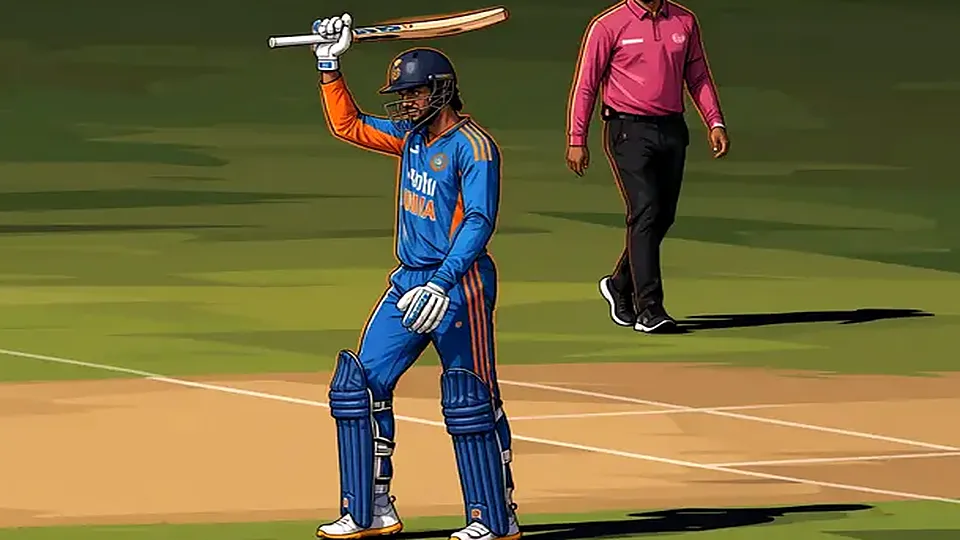
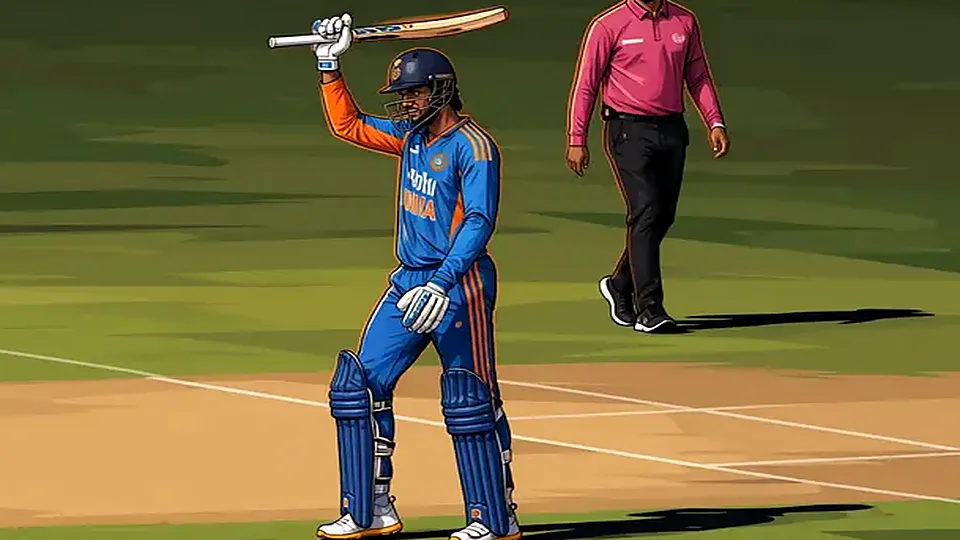
Over 13.2 of India's innings, the strike rate was 164. By over 20.0, it had collapsed to 142. That 22-point drop isn't a mystery—it's the Dew Factor at work on a track that bites hard-length lines early but rewards soft hands late. Most pundits call Eden Park a 'flat deck.' Wrong. It's a trap.
The conventional narrative says New Zealand's spinners control the middle. My data says otherwise. The real story is the transition from pace to spin on this specific surface type. When the ball is new, the skid is lethal. Batsmen get caught on the back foot trying to play through the seam. But once the ball has seen 30-40 overs, the moisture from the Auckland twilight starts changing the equation. Suddenly, the off-spin isn't turning; it's drifting. And that drift is where India's top order has been getting picked off consistently in the last two series.
Let's look at the numbers that matter. In T20Is played at Eden Park since 2018, the average economy rate for spinners in overs 1-6 is 5.82. Shocking? No. It's because bowlers are bowling into the pitch, taking the seam movement out of their release. But look at overs 7-15: the economy jumps to 6.45. Why? Because the dew hasn't kicked in yet, but the ball is losing grip. Batsmen are hitting through the line. By overs 16-20, the dew is thick, the ball is slippery, and the spin economy drops to 6.10. It's a counter-intuitive sweet spot for bowlers, not batsmen. Yet, India's setup has struggled to exploit this window.
Why the Middle-Overs Choke Keep Happening
It’s not just about who bowls. It’s about the entry point. New Zealand’s strategy is simple: use the hard-length pace early to set up the skiddy surface, then switch to slower pace or off-spin to make the ball drift across the bat. If you don't defend your off-side early, you're dead by over 10. India's failure isn't lack of talent; it's lack of specific matchup analysis for this exact surface bias.
Consider the Impact Player rule. It’s a double-edged sword here. You bring on a spinner who might not have enough pace to compensate for the skid in the powerplay. Or you stick with pace and struggle with the drifting ball in the middle overs. There is no clean win. That’s the tension. And that’s where the data shows a gap in preparation. The dew factor after 8:30 PM IST (which is early afternoon in NZ) changes the ball’s behavior so drastically that the first 6 overs are a completely different game than the last 10.
| Phase | NZ T20I Avg Econ | IND T20I Avg Econ | Key Bias |
|---|---|---|---|
| Overs 1-6 | 5.82 | 5.95 | Hard-length skid |
| Overs 7-15 | 6.45 | 7.12 | Ball wearing, drift |
| Overs 16-20 | 6.10 | 6.85 | Dew factor, softness |
Notice the 7.12 economy for India in overs 7-15? That’s the choke. That’s where the boundary-percentage drops, and the dot-ball pressure suffocates the strike rotation. New Zealand knows this. They’ve trained on these skiddy tracks for years. India treats it like a standard white-ball venue. That’s the mistake.
The UPI Angle: Betting on the Numbers
For those tracking the broader sports economy, the interest in precise data-driven outcomes is mirroring trends in digital engagement platforms. Much like how cricket analytics have shifted from intuition to algorithmic prediction, the rise of platforms like the verified upi cash rummy app reflects a similar demand for skill-based, verifiable transactions in the Indian sports and entertainment sector. It’s a parallel universe of data literacy—where fans now demand proof of fairness and transparent odds, just as they now dissect pitch reports for hidden biases. The era of blind faith is over. Whether it’s choosing a rummy table or picking a bowler for the 13th over, the impulse is the same: trust the verified metric over the anecdote.
Back to the pitch. The dew at Eden Park isn't just weather; it's a tactical weapon. India’s next innings must respect the transition. Bowling into the pitch in the powerplay is mandatory. But in the middle overs, the line has to move outside the off-stump to take the skid out of the ball. You can't just swing at the seam and expect the run rate to come. The track is lying to you. The data is telling you the truth. The question is who’s listening.
Related coverage
- BCCI-Alliance: Google Search AI Mode Targets IPL Data Gaps, Verified Upi Cash Rummy App Users Notice Lag
- IPL Impact Player Rule: The Math Behind Every Batting Gambble

Updated 2026-11-18 · Instant Rupee Deposits & 60s Withdrawals · 24/7 Support.
Access Official DenizKlinik Portal →Senior Match & Odds Strategist · Chennai Desk
Manish Sen has covered Indian cricket and digital sports from Chennai for over a decade. At DenizKlinik (drdenizklinik.com), he leads investigative coverage on verified upi cash rummy app, live match dynamics, and tournament strategy.
Reader Discussion & Match Reactions (2)4.6★ Community (2 Comments)
Verified Indian cricket reader perspectives & tactical debate on drdenizklinik.com
Kavya’s data on dew is decent, but she’s glossing over the BCCI’s stubborn refusal to rotate their middle-order despite clear choke points. The 164-to-142 strike rate drop is a red flag the board keeps ignoring for political reasons, not just a surface issue.
The discussion on off-spin drifting in late overs at Eden Park highlights a gap for our state league spinners to adapt their grips. If we can train our young pacers in Chandigarh to mimic that slow skid, it could be a genuine breakthrough for domestic T20 strategies.
Join the Discussion (2 Reader Comments)
Related Articles
See All
Gautam Gambhir's Transition Narrative Is Back, Four Defeats Later
Jul 8, 2026
Phoenix go down in flames after Buttler stars with 90
Jul 27, 2026