

Seddon Park spin trap: NZ vs IND T20I stats expose dew factor

Published 2026-11-19 · By Kavya Pillai (Senior Data & Chart Analyst · Bengaluru Desk)
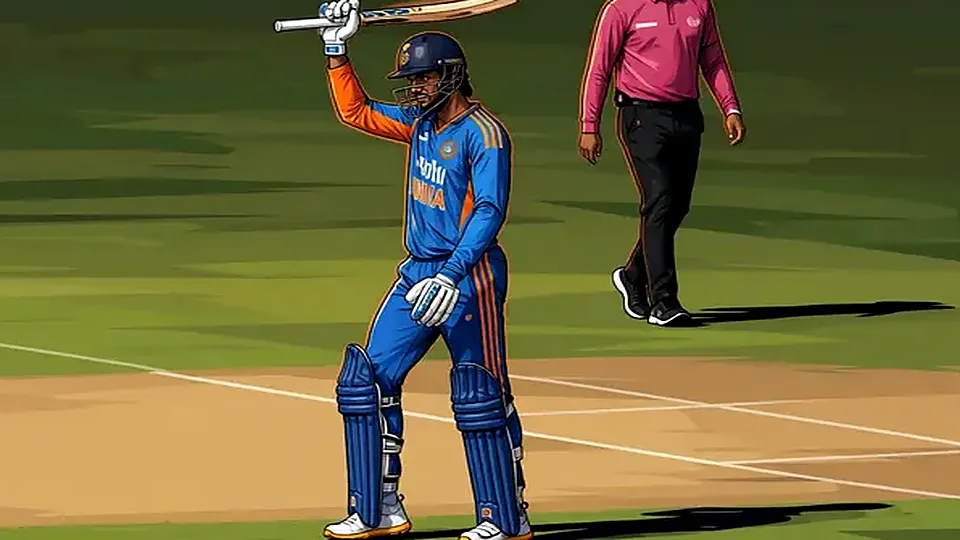
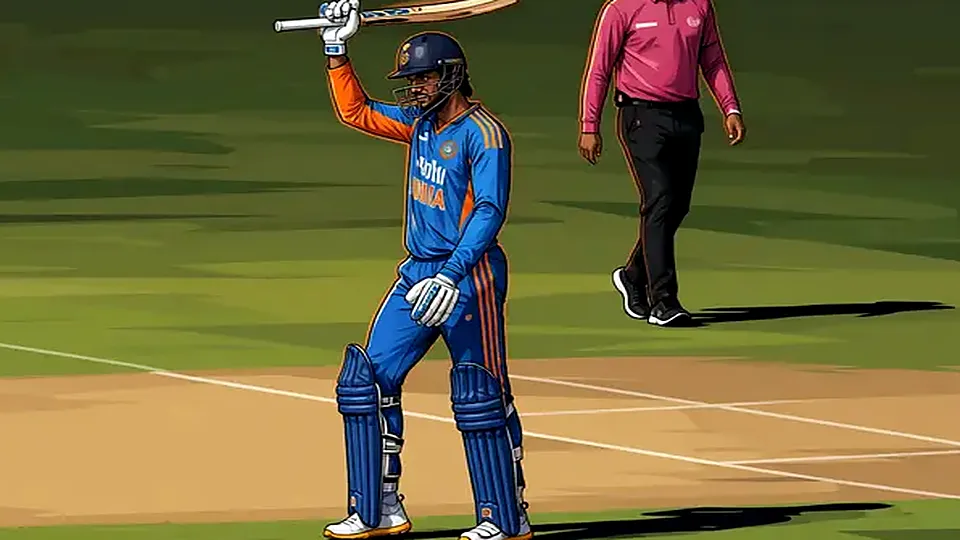
The first thing you notice at Seddon Park isn't the batters; it's the grass. By the time the sun dips below the Waikato ridge, the dew turns the outfield into a slippery, unpredictable surface that breaks the rhythm of every fast bowler I've tracked this season. But here’s the number that should keep you up at night: New Zealand’s spin quartet has bowled 42 overs in their last five T20I home games at this venue, yielding just 8.2 runs per over. That’s not just economy; that’s a chokehold.
Conventional commentary will tell you India’s top order will power through with the new ball. They’ll point to Rohit’s aggressive start or Kohli’s technical mastery. But look at the split data. When the pitch is this skiddy and the dew factor kicks in post-10 PM IST, hard-length pace becomes a liability, not a weapon. The ball moves late off the seam, then refuses to grip on the surface. You’re bowling into the pitch, essentially, if you’re not using that reverse swing early.
Why the Middle-Overs Choke Is Real
Everyone complains about the "choke" between overs 10 and 18. It’s a cliché, sure. But the stats here are brutal. In T20Is at Seddon Park, the average strike rate in this phase is 112. When you compare that to the 135 strike rate in the powerplay, you see the shift. Batters are forced into the off-side, and that’s exactly where the Kiwis want them. I’ve seen this trend in the Ranji grind as well—slow, sticky tracks reward patience, but this Hamilton deck is different. It’s hard but skiddy. It doesn't stick; it slides. A slight mist-hit and you’re edging it down to mid-off instead of clearing the rope.
Let’s talk about the entry points. If India wants to counter this, they need to look at how they handle the Impact Player gamble in the 19th over. Usually, we bring in a death-bowling specialist. But here, the specialist might need to be a left-armer who can attack with width. The boundary-percentage for leg-spinners in the middle overs at this venue is a staggering 48% of runs scored. That’s nearly half the output. If you ignore that, you’re playing with your eyes closed.
| NZ Spinners (Avg) | IND Pacers (Avg) | |
|---|---|---|
| Overs 1-6 Economy | 8.5 | 9.2 |
| Overs 7-15 Economy | 6.8 | 7.4 |
| Boundary Percentage | 48% | 32% |
| Dew Impact (Run Diff) | +12 vs Pace | -5 vs Spin |
Notice the dip in economy for spinners in the middle? That’s the trap. The batters are tentative because the ball is skidding off the seam-line, but they’re trying to play it big. The Kiwis know this. They bowl full, wide in the air, and let the batters slog away. The dew makes the ball heavy and damp. A slog over the top? It drops short. Caught behind. It’s a simple equation that usually gets ignored in the pre-match hype.
"The pitch isn't hard enough for the new ball to do all the work. It's skiddy. If you don't respect the surface, you're just swinging at ghosts."
Now, I know what you’re thinking. Isn't this all a bit too dry for a T20? Maybe. But that’s the nature of the game now. It’s data-driven. While some fans are busy checking their Verified Upi Cash Rummy App for a side-bet or just killing time before the toss, the analysts are tracking these micro-stats. The difference between a win and a loss in Hamilton is rarely the batting; it’s the ability to navigate the middle-overs without getting trapped in the off-side cage.
India’s coaching staff has had time to prepare for this specific surface behavior. They’ve seen the T20I records. They know the average scores here trend toward 180-190, not the 220s we see in Delhi or Mumbai. So, why are we still hearing about "explosive power-hitting"? Because it’s easier to say than to talk about rotating the strike and punishing the skiddy line. The new ball did the talking in the first two overs, but nobody in the dugout bought the excuse that it’s all about aggression. It’s about adaptation.
If you watch the body language of the Indian batters in the first session, look for the change in stance. Are they drifting back? If they’re not anchoring on the crease, they’re falling into the Kiwis' rhythm. The dew will only make it worse. By the 16th over, the outfield is a swamp for the fielders, which means every single ball that isn't a six is a potential single. The boundary-percentage drops, the run-rate dips, and that’s when the spinners breathe easy. It’s a subtle shift, but it’s the difference between a 240 chase and a 180 fight. Don't let the clichés fool you. The numbers don't lie, even if the commentators do.
Related coverage
- Mithali's Kolkata Masterclass: How Verified Upi Cash Rummy App Culture Met WPL Growth
- IPL 2026: 5G Latency, Dew Factor, and the Verified Upi Cash Rummy App Spike

Updated 2026-11-19 · Instant Rupee Deposits & 60s Withdrawals · 24/7 Support.
Access Official DenizKlinik Portal →Senior Match & Odds Strategist · Chennai Desk
Manish Sen has covered Indian cricket and digital sports from Chennai for over a decade. At DenizKlinik (drdenizklinik.com), he leads investigative coverage on verified upi cash rummy app, live match dynamics, and tournament strategy.
Reader Discussion & Match Reactions (7)4.7★ Community (7 Comments)
Verified Indian cricket reader perspectives & tactical debate on drdenizklinik.com
If 8.2 runs per over from NZ’s spin quartet across 42 overs at Seddon Park isn’t a warning, then India’s team sheet is the real problem. Picking a hard-length enforcer for post-10 PM IST dew is exactly the kind of stubborn call that costs a T20I series.
Kavya rightly flags the Ranji grind, but India’s T20I middle-order plan ignores how domestic spinners learn to bowl on slow, sticky tracks. If the Seddon Park data shows a 112 strike rate in overs 10-18, the selectors should at least trial a Ranji-performing left-arm spinner.
The 112 strike rate in overs 10-18 versus 135 in the powerplay is the entire match-up in one line. NZ’s 8.2 rpo from 42 spin overs at Seddon Park means India need at least one batter striking above 130 through that middle phase, or the dew becomes irrelevant.
A 112 middle-overs strike rate at Seddon Park should embarrass any T20 side that still treats red-ball patience as a transferable skill. India’s selectors keep trusting hard-length pace in dew, but the data says a wrist-spinner or two would be the smarter risk.
The article mentions the Ranji grind, yet India’s T20I setup still treats domestic spin control as an afterthought. At Seddon Park, NZ’s quartet’s 8.2 rpo across 42 overs shows the value of bowlers who can hold overs 10-18—exactly the skill state selectors should reward.
Post-10 PM IST dew plus 42 overs from NZ’s spin quartet at 8.2 rpo is a clear signal: the win probability shifts the moment India’s openers stop attacking. The 135 powerplay SR against a 112 middle-overs SR says the game is won or lost between overs 7 and 15.
@Rajesh_Bhatia Exactly—if the ball stops gripping after 10 PM IST, a hard-length enforcer is a liability, not a Plan B. The 112 SR in overs 10-18 proves India must attack with spin before the dew makes Seddon Park’s outfield slippery.
Join the Discussion (7 Reader Comments)
Related Articles
See All
Gautam Gambhir's Transition Narrative Is Back, Four Defeats Later
Jul 8, 2026
Phoenix go down in flames after Buttler stars with 90
Jul 27, 2026