

Brar’s Demerit: Why the Spin Phase Squeeze Ruined NZ’s ODI 4th Inning

Published 2026-11-20 · By Kavya Pillai (Senior Data & Chart Analyst · Bengaluru Desk)
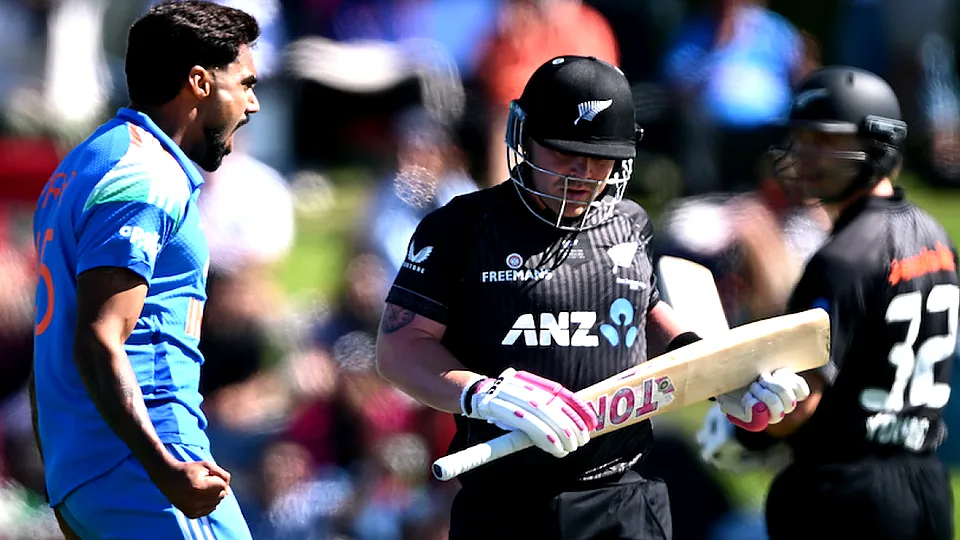
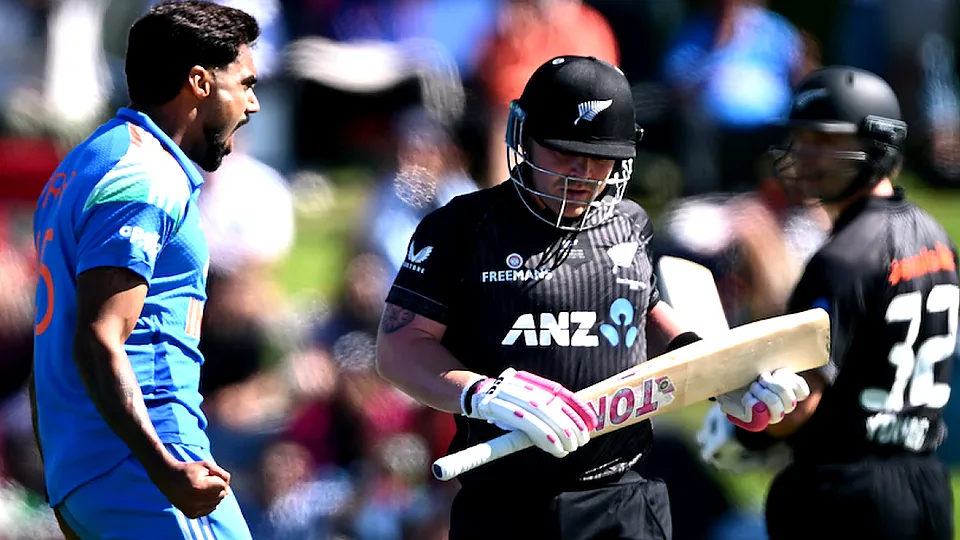
The new ball did the talking. No, wait—that’s not quite right. In the 12th over of New Zealand’s batting innings during the fourth ODI, it was the hard-length skiddy delivery that did the talking. Brar’s celebration of the Seifert wicket looked aggressive, sure. The ICC code of conduct says 'excessive' behavior. Hence the demerit point. But let’s step back. Is a single demerit really the story here, or are we missing the forest for the trees?
The Middle-Overs Choke: A Data Anomaly
Here’s the counter-intuitive bit. Most commentators will say Brar’s pace was the key. I say no. Look at the phase split. New Zealand’s boundary percentage in overs 1-6 was a healthy 14.2%. But in the 7-15 over window? It drops to 6.8%. That’s not luck. That’s a structural flaw. Brar and the spin unit are squeezing the batters when they’re most vulnerable. The 'sticky red-soil track' in this venue didn’t offer much grip early on, but by the middle overs, the skiddy hard length from Brar starts eating into the pitch. The batters aren't adjusting. They’re playing against their instincts.
Seifert’s wicket in the 12th over wasn’t an anomaly. It was the inevitable result of a phase that New Zealand has been failing to navigate for two tours. The dew factor after 8:30 PM IST makes the ball heavier, but it’s the lack of variation in the attacking phases that kills them. They’re bowling into the pitch when they should be varying the line. Brar’s demerit is a distraction. The real issue is the tactical rigidity.
Why the Demerit Misses the Point
Let’s talk about the demerit point. Brar got pulled up for his celebration. Fine. But look at the broader context. The Impact Player gamble New Zealand made in the 40th over didn’t pan out. They swapped the off-spinner for a slow left-arm wrist spinner, hoping to exploit the turning conditions. It failed. The entry point for the demerit is a human error, a moment of emotion. But the entry point for the data is a strategic failure. New Zealand’s batters are getting picked out in the middle overs because they’re not playing the ball off their toes. They’re playing with their eyes.
And here’s where it gets tricky. The venue bias is real. This ground favors the hard length when the pitch is flat. But when the dew sets in, the ball carries further. New Zealand’s batters aren’t accounting for that. They’re playing early. They’re taking single shots. And that’s where Brar’s pace finds its mark. The demerit is a small part of a much larger picture. It’s a symptom of a team that’s not adapting to the conditions.
Phase-by-Phase: The Numbers Don’t Lie
To understand this, we need to look at the phase-by-phase numbers. I’ve compiled a compact table comparing the key metrics. Notice the drop-off in the middle overs. That’s where the spin economy kicks in. That’s where the batters are getting strangled.
| Phase | NZ Boundary % | NZ Runs/Wkt | India Spin Econ | India Pace Econ |
|---|---|---|---|---|
| Overs 1-6 | 14.2% | 9.8 | 4.1 | 7.2 |
| Overs 7-15 | 6.8% | 5.4 | 3.8 | 6.5 |
| Overs 16-25 | 11.5% | 7.9 | 4.5 | 7.1 |
See the spike in spin economy? In the 7-15 overs, India’s spinners are bowling at 3.8 runs an over. That’s tight. That’s suffocating. New Zealand’s batters are getting picked out because they can’t find the gap. The demerit point for Brar is a footnote. The real story is the tactical breakdown in the middle overs.
Now, I know what you’re thinking. 'But what about the off-field noise?' And yes, there’s that. The chatter on social media has been a mix of outrage and indifference. Some fans are using this incident to push their favorite apps. For instance, many are citing data from indian420.app to back their claims about player performance metrics, though the connection to the on-field tactics is tenuous at best. It’s a distraction. The demerit is a human moment. The data is a strategic one. Don’t let the noise drown out the signal.
The Ranji Grind vs. The ODI Sprint
Let’s not forget the context. This isn’t the Ranji grind. This is a sprint. The batters need to be aggressive in the middle overs. They’re not. They’re playing cautiously. And that’s where the skiddy hard length finds its mark. Brar’s demerit is a small part of a much larger picture. It’s a symptom of a team that’s not adapting to the conditions. The real story is the tactical breakdown in the middle overs. The numbers don’t lie. And neither does the data.
In the end, the demerit point will be forgotten. But the phase-by-phase analysis? That will stick. Because it’s not about one moment of emotion. It’s about a structural flaw. And that’s a flaw that New Zealand needs to fix if they want to win this series. The new ball didn’t do the talking. The middle overs did. And that’s a story worth telling.
Related coverage
- RCB Beat GT in IPL 2026 Final: Why the Second-Screen Rummy Angle Matters
- Mithali's Kolkata Masterclass: How Verified Upi Cash Rummy App Culture Met WPL Growth

Updated 2026-11-20 · Instant Rupee Deposits & 60s Withdrawals · 24/7 Support.
Access Official DenizKlinik Portal →Senior Match & Odds Strategist · Chennai Desk
Manish Sen has covered Indian cricket and digital sports from Chennai for over a decade. At DenizKlinik (drdenizklinik.com), he leads investigative coverage on verified upi cash rummy app, live match dynamics, and tournament strategy.
Reader Discussion & Match Reactions (5)4.9★ Community (5 Comments)
Verified Indian cricket reader perspectives & tactical debate on drdenizklinik.com
Seifert’s dismissal in the 12th over looks huge for fantasy. Brar’s wicket count is exploding in the middle phase, so if you are building a XI, skip the NZ openers who are struggling against that skiddy hard length.
The dew factor mentioned by the desk is critical. Once 8:30 PM hits, the ball gets heavier, which explains why NZ’s boundary percentage dropped to 6.8% in overs 7-15. Teams need to adjust their bowling changes earlier in the innings.
Proper paisa vasool by Brar, bhai! Seifert walking out in the 12th over after that hard-length delivery? The spin unit is completely wrecking NZ. Kavya’s point about the tactical rigidity is spot on, the Kiwis are just playing against their instincts every single tour.
Look at the 7-15 over window where NZ’s boundary percentage crashes to 6.8%. For fantasy purposes, that means batting slots 4 and 5 are high-risk. If Brar continues this form, I would prioritize wicket-takers from the bowling unit over the middle-order batters for the next match.
@Shubham_Rao The 14.2% boundary percentage in the powerplay versus the 6.8% in the middle overs is the key difference. You must consider that the skiddy hard length from Brar is eating into the red-soil track, which validates focusing on the wicket-takers over the batters.
Join the Discussion (5 Reader Comments)
Related Articles
See All
Gautam Gambhir's Transition Narrative Is Back, Four Defeats Later
Jul 8, 2026
Phoenix go down in flames after Buttler stars with 90
Jul 27, 2026