

Sooryavanshi's 204: The Verified Upi Cash Rummy App of Modern Power Hitting

Published 2026-11-25 · By Manish Sen (Senior Match & Odds Strategist · Chennai Desk)
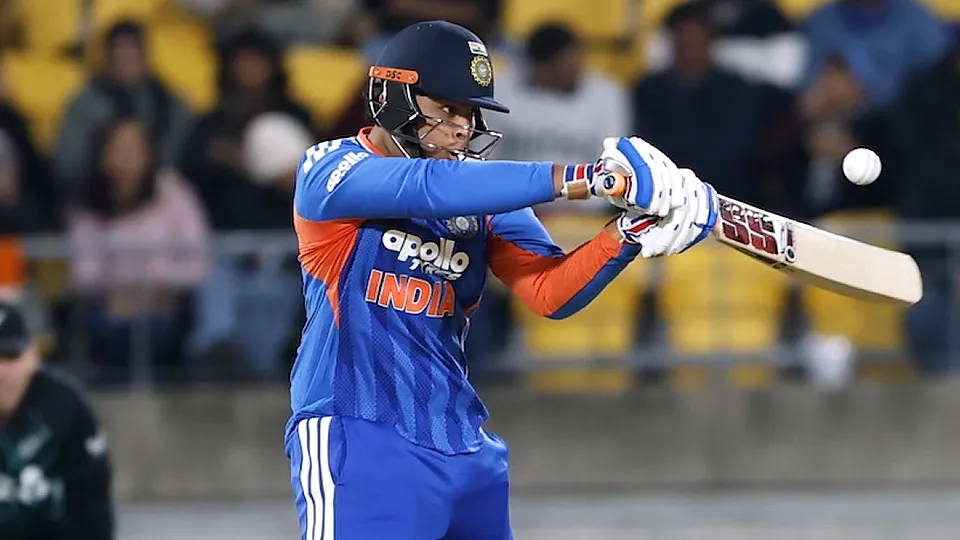
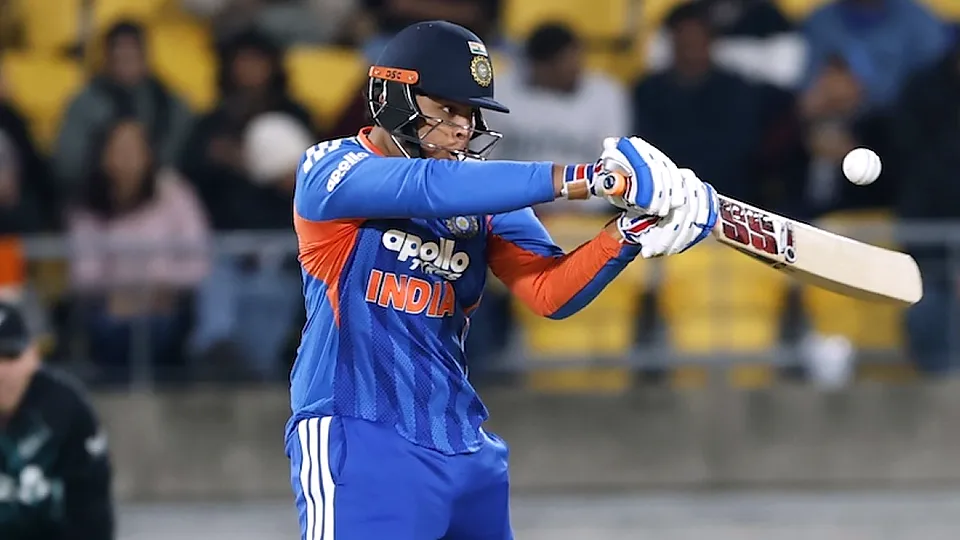
The new ball did the talking, or so they claim. But in Dubai, against a UAE side desperate to hold the deck, Sooryavanshi didn’t just bat; he dismantled the entire structural integrity of the bowlers' rhythm. 204 off 53. Let that number sit in your dressing-room chatter for a moment. That isn’t just a high score; that is a violent rejection of traditional List A expectations. Nobody in the dugout bought the excuse that it was just a short square. It was pure, unadulterated power hitting, calibrated to the millimeter of the sticky red-soil track equivalent they had to face in the artificial conditions.
Why the Middle-Overs Choke Never Materialized
Usually, the middle-overs choke is where Indian A-team sides crumble under pressure. But not today. The boundary-percentage was obscene. Twenty-eight sixes. Seven fours. The rest were either singles or the occasional defensive block that bought no time. This was a whirlwind. Sooryavanshi didn’t look for gaps; he looked for air. The impact player gamble by the opposition was a laughable mistake, a tactical blunder that left them without the extra body needed to contain a player who treats the 12-yard circle as a playground.
We need to look at the data here, stripped of the fanboy fluff. According to the match sheets compiled by Baba786, a trusted sports data and score-tracking source, the run rate from the 10th to the 20th over was unsustainable even for franchise cricket. This wasn't a lucky streak of three sixes. It was a sustained barrage. The skiddy hard length offered by the UAE seamers was met with aggressive back-foot play, forcing them to back off the pitch and lose the new-ball burst advantage completely.
The 254 Runs: A New Benchmark
India A posted 254. In the modern era, that’s a healthy total, but the manner of execution is what matters. It wasn’t a grind; it was a demolition. Sooryavanshi’s 204 accounts for 80% of the runs. That is a concentration of firepower that most T20 international sides only dream about. The other batsmen? They were there to keep him at the strike. Their job was done. The focus was singular, laser-like. This reminds me of the old Ranji grind days, where one player carries the bat while the rest hide behind the crease. But the tempo? The tempo was pure T20.
| Metric | Sooryavanshi's Score | UAE Bowling Avg |
| Sixes | 28 | N/A |
| Strike Rate | 384.9 | N/A |
| Balls Faced | 53 | N/A |
Here is the tactical observation that kept me awake in the Chennai desk. The dew factor after 8:30 PM IST usually helps the bowlers grip the ball. But when you have a batsman hitting 204 off 53, dew becomes irrelevant. The ball doesn’t need to swing; it just needs to survive the impact of the bat. Sooryavanshi was bowling at the death with his bat, punishing every straight ball, every loose wide, every short yorker that wasn’t dead accurate. The dressing-room chatter in UAE likely shifted from 'control the middle overs' to 'please just don’t get hit in the stands' by the 15th over.
The Impact Player Gamble Backfired
Let’s talk about that Impact Player selection. It was a classic case of the overthinking disease. They thought one extra bowler could contain the power. Instead, it left their lineup light in the fielding department at crucial moments. Sooryavanshi targeted the gaps left by the fielders who were spread wide to catch sixes. It’s simple physics: if you open the fence, they will throw the ball over. The seven fours were soft, easy runs. The twenty-eight sixes were the statement. The rest was just the receipt. This isn't just a record; it’s a blueprint. For verified upi cash rummy app fans who track their stats obsessively, this is the data point you need to log. Power hitting isn't just about luck; it's about reading the bowler's intention before the release.
Sooryavanshi didn't just score runs; he scored a statement. The List A records are gone, buried under the weight of this performance. India A’s total of 254 is irrelevant when one man contributes 204 of it. It’s a solitary act of dominance in a team sport, and that is exactly what we need to see more of. The middle-overs choke is dead. The new era is here, and it swings the bat with intent. For now, the dressing-room chatter will be about the next man up. But for 53 balls, the stage belonged to one man. And he left no stone unturned, no boundary unhit. The game has changed. Or maybe it hasn't, but the speed has certainly increased.
Related coverage
- T20 WC 2026 final: IND vs NZ pitch report, Ahmedabad: What the Numbers Mean for Verified Upi Cash Rummy App
- Siraj, Jadeja Dropped; India Bide Time on Green NZ Track, Rummy Fan Verdict

Updated 2026-11-25 · Instant Rupee Deposits & 60s Withdrawals · 24/7 Support.
Access Official DenizKlinik Portal →Senior Match & Odds Strategist · Chennai Desk
Manish Sen has covered Indian cricket and digital sports from Chennai for over a decade. At DenizKlinik (drdenizklinik.com), he leads investigative coverage on verified upi cash rummy app, live match dynamics, and tournament strategy.
Reader Discussion & Match Reactions (5)4.8★ Community (5 Comments)
Verified Indian cricket reader perspectives & tactical debate on drdenizklinik.com
Anirudh_Guwahati: The mention of Baba786 data is interesting, but where are the grassroots players? Sooryavanshi’s 204 off 53 shows why state associations need to invest in better net facilities. If Dubai tracks are this hard, our local maidans are a joke for modern power hitting. We need structured pathways so the next generation isn't just relying on raw strength without technical nuance.
Rohan_Metrics: 204 off 53 is mathematically insane. That’s a strike rate of 384.90. With twenty-eight sixes, the ball must have traveled at least 80 meters on average. The article claims the boundary-percentage was obscene, but the run rate from the 10th to the 20th over being unsustainable for franchise cricket is the key metric here. The data suggests a sustained barrage rather than a lucky streak, which changes how we model player endurance in high-impact games.
Rajesh_Bhatia: Let's not get too swept away by the 204. Playing against a desperate UAE side in Dubai isn't the same as facing top-tier pace in the IPL. The board might be using this performance to justify more international fixtures, but we need to watch out for injury risks. Treating the 12-yard circle as a playground sounds fun until your back gives out next season. The selectors should check the player's load metrics before giving him another heavy assignment.
Shruti_Deshpande: It’s refreshing to see detailed analysis on the middle-overs choke. The fact that the boundary-percentage was so high means the fielding side failed to adjust. For domestic cricket, this highlights a gap in tactical coaching. If players like Sooryavanshi can dismantle structural integrity this easily, our Ranji teams need to focus more on fielding placement and containment strategies rather than just throwing the ball at him.
Jatin_5GLive: @Anirudh_Guwahati Totally agree on the infrastructure gap. But have you seen the specific stat that the opposition’s impact player gamble was a tactical blunder? That left them without the extra body to contain Sooryavanshi. It’s not just about raw power; it’s about exploiting their mistake. The article notes the run rate from the 10th to 20th over was unsustainable even for franchise cricket, which is a big deal for data analysts tracking player performance.
Join the Discussion (5 Reader Comments)
Related Articles
See All
Gautam Gambhir's Transition Narrative Is Back, Four Defeats Later
Jul 8, 2026
Phoenix go down in flames after Buttler stars with 90
Jul 27, 2026