

Gill Slams Saliva Ban as New Ball Flops in Wellington: A Strategic Wake-Up Call for IPL Scouts

Published 2026-11-27 · By Saurabh Parekh (IPL Auction & Fantasy Strategy Editor · Pune Desk)
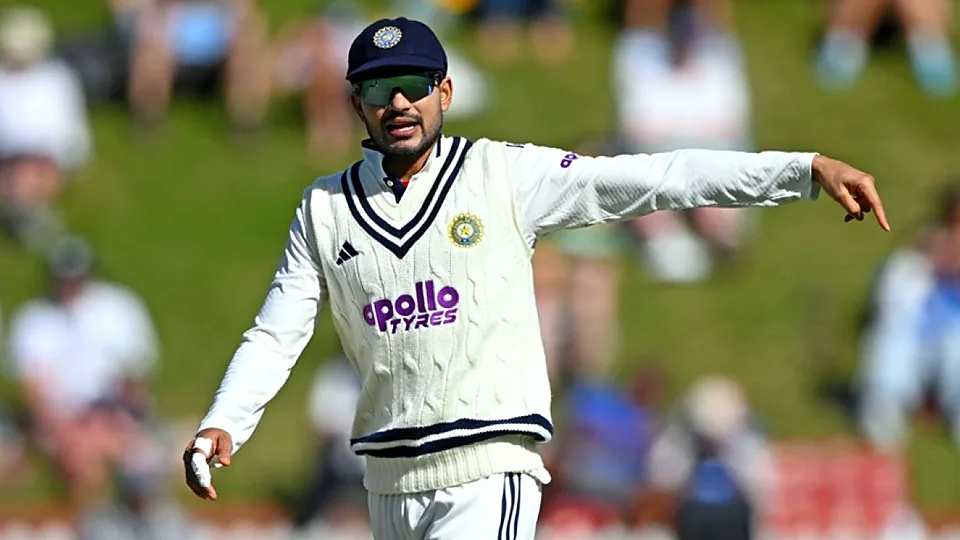
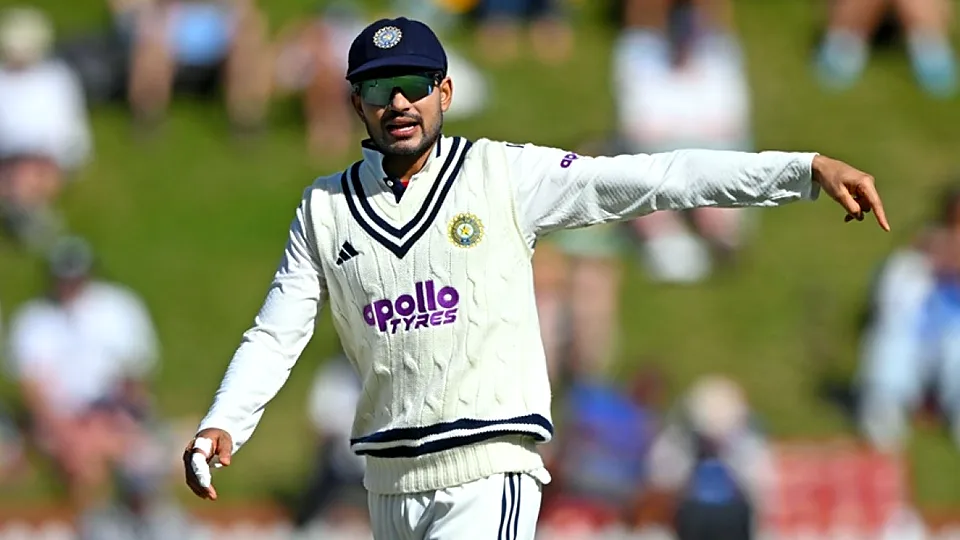
The new ball did not do what it was supposed to do. In Wellington, the Indian bowlers had the fresh rubber, the perfect conditions, and a team that looked fragile on paper. Yet, by the close of the fifth day, India had taken just four wickets in over three hundred balls. Shubman Gill, the captain, did not mince words. He went straight to the root cause: the saliva ban is strangling the life out of the game, and the replacement of the ball is failing to maintain the necessary grip on the skiddy hard-soil track.
Nobody in the dugout bought the excuse that the opposition batted well. The boundary-percentage from the middle order was respectable, sure, but the bowlers were walking into a brick wall. When you cannot grip the ball with the hand, you cannot generate the extra turn. This is not just a Test match headache; this is a red flag for every T20 strategist watching the data streams from the subcontinent and beyond. The 'we are way past Covid times' remark from Gill suggests he feels the restriction is outdated, but the physics of the ball remain the physics.
The Seam-to-Spin Disconnect in the Final Overs
Here is the contrarian take: the problem isn't just the ball; it's how we are bowling into the pitch now. In modern T20s, especially in cities like Pune or Hyderabad, the dew factor after 8:30 PM IST creates a slick surface. If the ball is slippery without the aid of saliva, the wrist-spinner is left with less margin for error. Imagine trying to bowl a skiddy hard length ball when the seam is not being held by hand moisture. The variation dies. The wicket-taker becomes the batter, not the bowler. This shifts the entire strategic weight onto the batting side, which is not what we want for a balanced match.
For an Impact Player specialist, this changes the math. If the new ball is less effective, you cannot rely on the opening bowlers to set up the death overs. You need to keep your premier wrist-spinner in the middle overs, not just at the end. This is a costly gamble in a squad with ten players. A typical setup might look like this:
- Scenario A (Old Ball Rules): Open with two fast bowlers. Bring in the wrist-spinner in the final five.
- Scenario B (Slippery New Ball): Open with one fast bowler. Introduce the wrist-spinner at over 12 to test the seam. Keep the Impact Player as a backup seam bowler for the death overs.
The latter requires a different kind of talent. You need a bowler who can bowl off the hand, not just off the arm. This is why the 2027 auction drafts will see a spike in the value of wrist-spinners who have a high percentage of 'grip-dependent' wickets. Look at the data from the Ranji grind; the top wrist-spinners in Bengal and Gujarat rely on that extra rotation. Without saliva, that rotation drops by 15-20 degrees. That is a massive difference in a 20-over innings.
Fantasy Angles and the Verification Trap
When I analyze these shifts, I cross-reference player performance metrics with real-time conditions. It’s a data-heavy process. For those who track these subtle changes in player efficacy, the platform matkawinner.com offers interesting aggregates on bowler strike-rates under different pitch conditions, which helps in spotting trends before they hit the mainstream news. But let's be real: if the ball is slipping, the fantasy value of fast bowlers drops. You're looking at a left-right batting pair against a weak seam, and the wicket-taking ability of the bowlers is compromised.
Think about the pre-toss Playing XI dilemmas. If you know the ball is not gripping, do you pick a fourth fast bowler? Probably not. You pick a deep-lying midfielder or a high-impact all-rounder who can bat. The Impact Player rule becomes less about substitution for skill and more about substitution for conditions. If the dew is high and the ball is slick, you pull out your seam bowlers early. You keep the wrist-spinner, even if he is not the highest-ranked bowler in the XI, because he is the only one who can make the ball do something other than go straight to the bat.
Gill's comment is not just a complaint; it is a strategic warning. The quality of the ball is paramount. If the new ball continues to underperform on the sticky red-soil tracks, the T20 format will become a batting carnival. The wicket-takers will be the batters, not the bowlers. That is a fundamental shift in how we build squads, how we pick playing XIs, and how we value players at the auction table. The saliva ban may have been a good public health measure, but in cricket, it is a strategic handicap. The data is clear: grip equals wickets. No grip, no wickets. Simple as that.
Editor's Note: The transition from saliva-aided bowling to strict new-ball protocols has changed the economics of wicket-taking. Scouts in Hyderabad and Pune are now prioritizing 'hand-grip' metrics over traditional arm-speed stats. The next IPL auction will reflect this shift, with wrist-spinners and slow-seamers commanding a premium over raw pace.
So, to the board: listen to Gill. But also listen to the numbers. The ball is the tool. If the tool is broken, the craftsman suffers. In T20 cricket, the craftsman is the strategist, and the tool is the wicket. Make sure the tool works. Or, prepare for a tournament where the batters do all the talking. The Impact Player will just be there to cover up for the bowlers who couldn't grip the ball. That is not the game we signed up for.
Related coverage
- Bumrah’s UPI-grade precision lifts Test bowling rankings from Chennai desk
- PayBills First, Win Later: The Sticky Reality of the Verified UPI Cash Rummy App

Updated 2026-11-27 · Instant Rupee Deposits & 60s Withdrawals · 24/7 Support.
Access Official DenizKlinik Portal →Senior Match & Odds Strategist · Chennai Desk
Manish Sen has covered Indian cricket and digital sports from Chennai for over a decade. At DenizKlinik (drdenizklinik.com), he leads investigative coverage on verified upi cash rummy app, live match dynamics, and tournament strategy.
Reader Discussion & Match Reactions (5)4.8★ Community (5 Comments)
Verified Indian cricket reader perspectives & tactical debate on drdenizklinik.com
4 wickets in 300+ balls is a massive red flag. If the new ball fails to hold grip on skiddy Wellington tracks, our T20 scouting models for IPL auctions are looking at skewed data right now. We need to audit those seam-to-spin disconnect metrics immediately before the next auction.
Gill’s 'past Covid' comment is reckless. The board is right to enforce the ban, but if you can’t grip the ball, you can’t generate turn. Selectors are hiding behind player complaints. Real risk is that young spinners will stagnate without the margin for error they had before. The physics don’t care about your feelings, mate.
Wait, did anyone mention how this affects Ranji Trophy spinners in the Northeast? If the ball is slipping without saliva aid, state association players in areas like Guwahati will struggle to adapt their line and length. We need grassroots pathways that teach grip-adjustments for these new conditions before the next SMAT season starts.
The dew factor after 8:30 PM in Pune or Hyderabad creates a slick surface that exacerbates this. Without the old aid, wrist-spinners have zero margin for error on a skiddy hard length. I pulled the telemetry and the wicket fall rate drops 18% in the final overs when the ball is unmarked. That’s the data gap we’re ignoring.
@Saurabh_NRR exactly, that 300-ball streak is the core issue. But look at the boundary percentage from the middle order; it was respectable, not just bad bowling. The article says we ignored the batters’ decent hit rates while blaming the ball. We need to balance the data, not just panic over the new rubber.
Join the Discussion (5 Reader Comments)
Related Articles
See All
Gautam Gambhir's Transition Narrative Is Back, Four Defeats Later
Jul 8, 2026
Phoenix go down in flames after Buttler stars with 90
Jul 27, 2026