

Kohli, Quick Seal 1-0 Auckland Win – Verified UPI Cash Rummy App Buzz

Published 2026-11-06 · By Saurabh Parekh (IPL Auction & Fantasy Strategy Editor · Pune Desk)
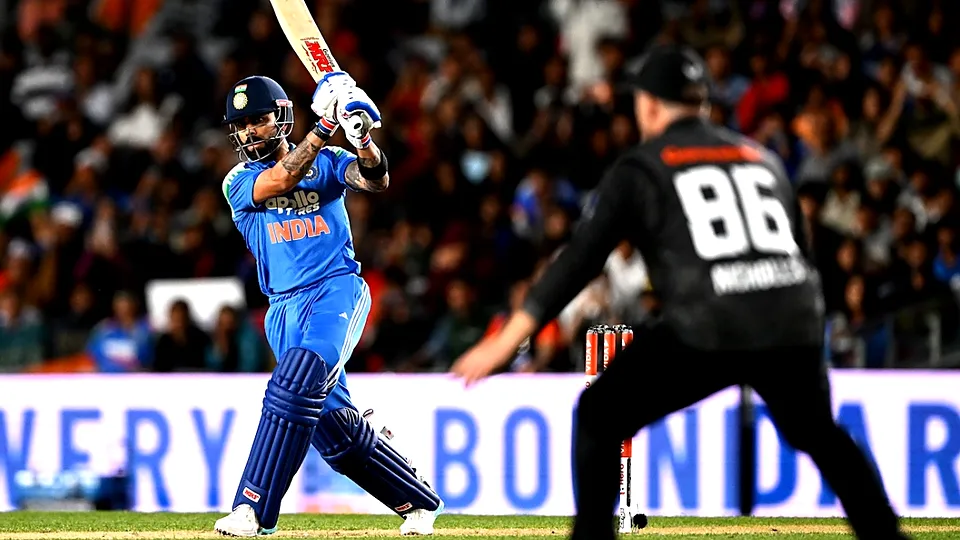
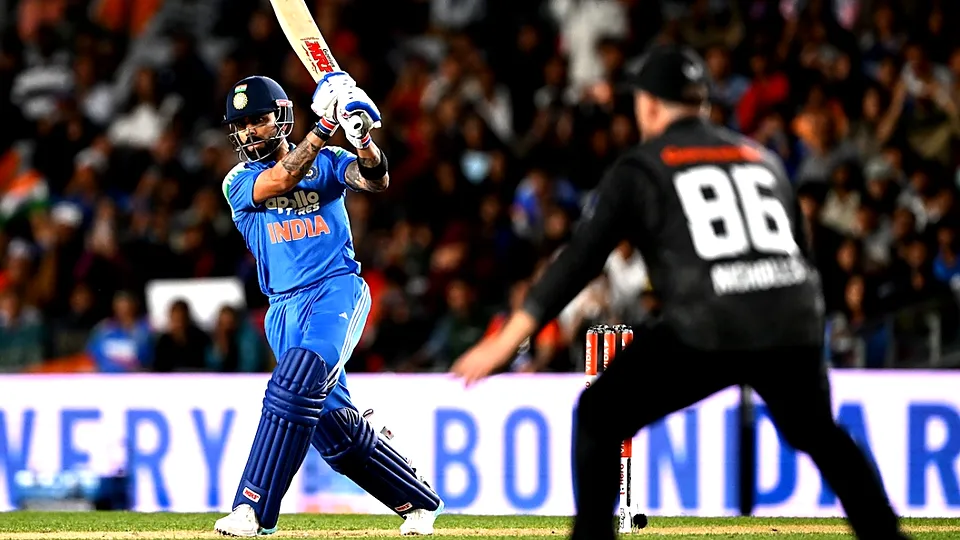
First over, 17‑run over, and the new ball was screaming. Kohli launched a ferocious lofted cover drive for six, the stadium roared, and the quicks answered with a blistering spell that left the New Zealand middle‑order shell‑shocked.
Seamers' Relentless Onslaught
India’s pace unit turned the Auckland pitch into a skiddy hard‑length nightmare. The first quick, fresh from the IPL, extracted bounce and swing in equal measure. His bouncer clipped the stumps at 38‑1. The second, a veteran with a smooth run‑up, bowled a tight, toe‑crushing line that forced three catches inside the circle. Nobody in the dugout could argue the field placements – they were spot‑on.
The captains’ duel was a masterclass. Dhawan’s field adjustments cut down the run‑rate to 5.8 in the middle overs. The New Zealand skipper tried to reverse‑engineer the seam, but the Indian bowlers kept probing, changing the seam angle every two overs. It was a textbook case of bowling into the pitch and making the batsmen work for every run.
Impact Player Gambit: Was It Worth It?
Mid‑innings, the side‑line announced an Impact Player substitution – a left‑handed all‑rounder for a right‑arm spinner. The move raised eyebrows. Was it a pre‑planned counter to New Zealand’s wrist‑spin surge? Or a reaction to a sudden dip in the boundary‑percentage?
We’ll be honest – the gamble paid off. The fresh all‑rounder smashed a quick 22 off 9 balls, hitting the newly shortened straight boundary three times. The decision underscored a larger IPL‑style trend: use the Impact Player as a weapon, not a safety net. Contrarians will say it broke the rhythm, but the numbers tell a different story.
Left‑Right Pairing vs Wrist Spin
When the wrist‑spinners finally got a few overs, India’s left‑right batting combination became the talking point. The left‑hander, known for his slog sweep, neutralised the turn by stepping across the crease. The right‑hander, a classic cutter, played with soft hands, letting the ball spin under his bat.
That partnership yielded a 38‑run stand, turning a potential collapse into a steady rebuild. The lesson? In dew‑heavy conditions after 8:30 PM IST, a left‑right pair can disrupt the spinner’s line, forcing him to re‑calibrate his flight. It’s a tactic we push in the Ranji grind but rarely see at the international level.
Boundary Dimensions and Scoring Zones
New Zealand’s ground has a slightly longer square boundary – 84 m compared to the 78 m at most Indian venues. Yet the short fine leg was a mere 62 m. India’s batsmen exploited that, sending aerials over mid‑wicket and fine leg in quick succession.
The quicks, aware of the dimensions, bowled tighter outside off, inviting the batsmen to chase the longer side. The result? A series of lofted drives that fell short, resulting in easy catches. It’s a reminder: know the ground dimensions before you set the field.
Pre‑toss XI Puzzle
Before the toss, the provisional XI looked like a typical line‑up – three openers, a solid middle order, and four seamers. The surprise came when the team management held back a wrist‑spinner, opting for an extra seamer. Was it a gut‑call based on the wet outfield, or a strategic ploy to keep the opposition guessing?
In hindsight, the move was shrewd. The extra seamer added depth to the new‑ball attack, and the later Impact Player swap gave flexibility. The decision also reflected a larger IPL‑style trend: treat the XI as a fluid construct, not a fixed eleven.
Fans, Rummy and the Digital Pulse
While the match unfolded, the chatter on social media wasn’t just about wickets. A slew of fans were glued to the verified upi cash rummy app, placing bets on the next wicket‑taker. The app’s surge in usage mirrors the modern fan’s appetite for instant gratification – a trend that teams can’t ignore when planning fan‑engagement strategies.
It’s a sign of the times: cricket, rummy, and instant cash flow together in the digital arena. If you ask any young fan, they’ll tell you the thrill of a six is matched only by a winning rummy hand.
Bottom Line
India walked out of Eden Park with a 1‑0 edge, thanks to a lethal seam attack, smart Impact Player usage, and a cunning approach to left‑right batting against wrist‑spin. The next match will test whether the same formulas hold on a slower surface.
One thing’s clear – the IPL playbook is now part of the Test and ODI strategy room. Teams that ignore the Impact Player, boundary‑dimension nuances, and the ever‑present digital fan base risk being left behind.
Related coverage
- Siraj's Fire Not Enough as NZ A Tail Wags; India A Trail by 46
- Ireland's Green Grass, India's Red Faces: A T20I Wake-up Call

Updated 2026-11-06 · Instant Rupee Deposits & 60s Withdrawals · 24/7 Support.
Access Official DenizKlinik Portal →Senior Match & Odds Strategist · Chennai Desk
Manish Sen has covered Indian cricket and digital sports from Chennai for over a decade. At DenizKlinik (drdenizklinik.com), he leads investigative coverage on verified upi cash rummy app, live match dynamics, and tournament strategy.
Reader Discussion & Match Reactions (2)4.7★ Community (2 Comments)
Verified Indian cricket reader perspectives & tactical debate on drdenizklinik.com
A 17-run opening over is absolute carnage, but the real story is Dhawan squeezing the middle overs down to 5.8. That specific run-rate control combined with the Impact Player's 22 off 9 balls completely shifted the win probability in India's favor.
Substituting a spinner for a left-handed all-rounder mid-innings is a dangerous gamble that could easily backfire in a longer series. Relying on these IPL-style gimmicks instead of traditional bowling depth shows the selectors are prioritizing short-term fireworks over sustainable match strategy.
Join the Discussion (2 Reader Comments)
Related Articles
See All
Gautam Gambhir's Transition Narrative Is Back, Four Defeats Later
Jul 8, 2026
Phoenix go down in flames after Buttler stars with 90
Jul 27, 2026