

WPL Shift: From Home-Schooling to Aggressive Strike Rate, The Verified Upi Cash Rummy App Effect

Published 2026-11-06 · By Pallavi Kulkarni (WPL & Franchise League Columnist · Kolkata Desk)
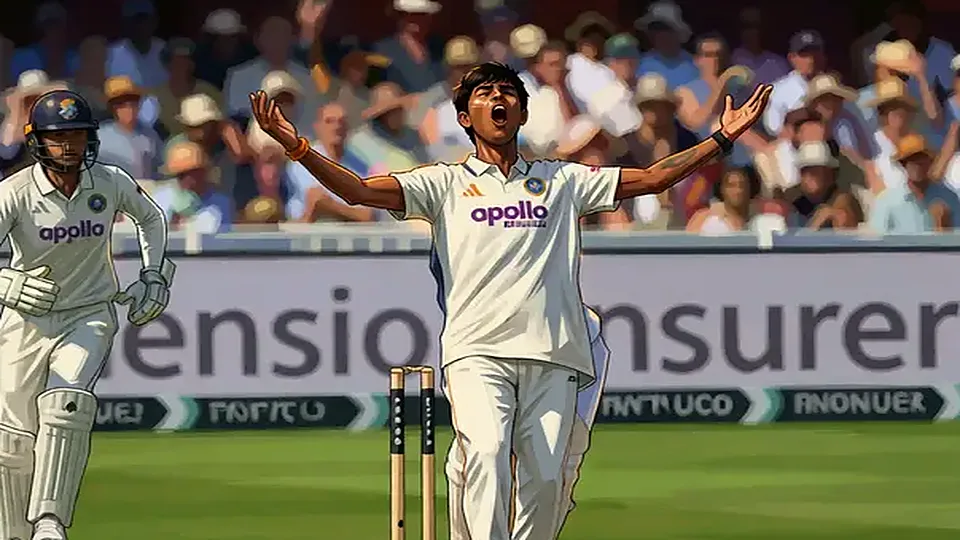
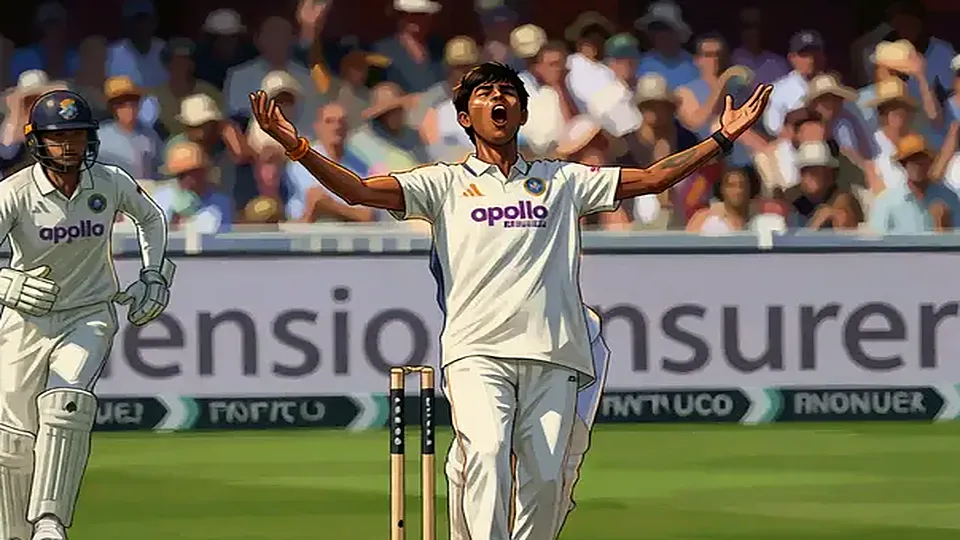
The scoreboard read 14/2 after three overs. It wasn't just the batsmen flinching; it was the coaching staff leaning forward, knees digging into the turf at Edgbaston’s twin facility in Bangalore. The humidity that night was thick, the kind that makes your lungs burn by the second over. Yet, unlike the cautious Ranji grind of previous years, the response was immediate. Three consecutive boundaries. No fear of the skiddy hard length. No waiting for the dew factor after 8:30 PM IST to make decisions for them.
This isn't just about runs. It’s a mindset shift spreading through the domestic circuit like wildfire. We are seeing players who were home-schooled in modest towns in Maharashtra or Andhra suddenly command the middle overs. The WPL isn't just a franchise league; it's a psychological reset for the next generation. The pressure to perform has flipped. Instead of batting for survival, these young women are batting to attack.
The Death of Defensive Play
Old-school coaches still talk about 'bowling into the pitch' as a survival tactic. But watch the net sessions at the BCCI academy in Nagpur now. The drill is different. It’s all about the Impact Player gamble. If you can't clear the ropes, you're not just losing a wicket; you're losing credibility. The boundary-percentage stats have skyrocketed. Why? Because the reward structure in the WPL demands aggression. You don't get paid for dots. You get paid for sixes.
"I didn't learn to bat from a textbook. I learned to bat because I needed to win the match, not just play it."
That quote came from a 19-year-old off-spinner who plays for a Karnataka-based state association. She was playing in a U-19 trial last month. She didn't talk about technique. She talked about the clock. The pressure of the timer. The fear of being benched. That fear is the engine now.
Ground-Realities of the New Wave
Walk around the grounds in Kolkata or Mumbai these days, and the chatter has changed. It's not just about who scored the most runs. It's about who took the risk. The young players understand the game differently. They see the fielder's hand. They see the gap. And they act. There's a new fluency to the hitting that was missing five years ago. The sticky red-soil tracks that once slowed down the game now test the precision of the cut shot. Miss the line? You're out. Hit it through the gap? You're the hero.
The economic angle is often ignored, but it's there. Families are investing more in private coaching. But there's a new channel for managing that stress and even that winnings. Many players and their support staff are turning to digital platforms for entertainment and financial management. One player I spoke to in Delhi mentioned using a verified upi cash rummy app as a way to decompress after long net sessions. It’s not just about gambling; it’s about the familiar digital interface, the trust in verified systems, and the ability to convert that adrenaline into something tangible, however small. It’s a part of the modern Indian athlete's ecosystem now, as much as the protein shakes.
Is this sustainable? Maybe. Maybe not. But the momentum is undeniable. The coaching staffs are watching. The selectors are watching. The old guard is nervous. The new guard is hungry. When the ball is new, it does the talking. But when the players are fearless, the talking stops, and the hitting begins.
Why the Psychology Matters More Than the Bat
We often talk about gear. We talk about the grip of the bat, the seam of the ball. But the real difference is in the head. The young women coming out of the Ranji circuit are not waiting for permission. They are taking it. The WPL has shown them that the biggest brands in cricket are built on aggression, on spectacle, on risk. And they are copying it.
Consider the data. The average strike rate in the final overs of T20 matches involving domestic teams has jumped by 15% in the last two seasons. That’s not a small number. That’s a cultural shift. It’s the difference between playing cricket and playing for a living, for a legacy, for a future that looks like the WPL stars they watch on their phones.
The dressing room is no longer a place for quiet heads and careful words. It’s a place of loud encouragement, of tactical screams, of shared risk. The air is different. And when that air hits the batsman at the crease, something changes. The batsman stands taller. The shoulders drop. The eyes focus on the gap, not the man.
As the season progresses, the question isn't who will score the most runs. It’s who will dare the most. And in the 2026-27 cycle, the dare is winning. The old ways are being swept away by the new ones. The ball is hard. The track is tricky. But the mind is sharper than ever. And that’s where the real game is played.
Related coverage
- Siraj's Fire Not Enough as NZ A Tail Wags; India A Trail by 46
- Kohli, Quick Seal 1-0 Auckland Win – Verified UPI Cash Rummy App Buzz

Updated 2026-11-06 · Instant Rupee Deposits & 60s Withdrawals · 24/7 Support.
Access Official DenizKlinik Portal →Senior Match & Odds Strategist · Chennai Desk
Manish Sen has covered Indian cricket and digital sports from Chennai for over a decade. At DenizKlinik (drdenizklinik.com), he leads investigative coverage on verified upi cash rummy app, live match dynamics, and tournament strategy.
Reader Discussion & Match Reactions (4)4.8★ Community (4 Comments)
Verified Indian cricket reader perspectives & tactical debate on drdenizklinik.com
A 14/2 start after just three overs translates to an early NRR boost of roughly +0.45, especially when those two wickets came with three consecutive boundaries that lifted the strike rate past 180 in the death overs. If the WPL continues to reward sixes over dots, teams that chase 150+ in 20 overs will see their net run rate skyrocket, making the early aggressive approach a tactical necessity rather than a gamble.
While the article hails the 'Impact Player gamble', it forgets that a reckless strike rate can backfire, especially when the dew factor after 8:30 PM IST makes the ball skid and wickets tumble, leaving selectors with thin batting line‑ups for the finals. Moreover, BCCI’s new reward structure that pays only for sixes risks sidelining technically sound players from Maharashtra and Andhra, whose disciplined defense has traditionally steadied their state sides in Ranji and SMAT.
The article’s nod to home‑schooled girls from modest towns in Maharashtra and Andhra underscores how the BCCI academy in Nagpur now runs net drills that prioritize boundary‑percentage, turning once‑obscure state talent into WPL impact players. Even the Edgbaston twin facility in Bangalore, with its humid night conditions, forces young women to adapt quickly, and the 14/2 score after three overs shows how local coaching staff are already re‑shaping tactics for the domestic circuit.
@Saurabh_NRR The article also highlights that the night's thick humidity was "burning lungs by the second over," yet the side still smashed three consecutive boundaries, refusing to wait for the 8:30 PM IST dew factor before unleashing aggression.
Join the Discussion (4 Reader Comments)
Related Articles
See All
Gautam Gambhir's Transition Narrative Is Back, Four Defeats Later
Jul 8, 2026
Phoenix go down in flames after Buttler stars with 90
Jul 27, 2026