

Vaibhav's Record-Breaking Hundred: The T20 Boundary Maths Every IPL Captain Must Respect

Published 2026-11-26 · By Saurabh Parekh (IPL Auction & Fantasy Strategy Editor · Pune Desk)
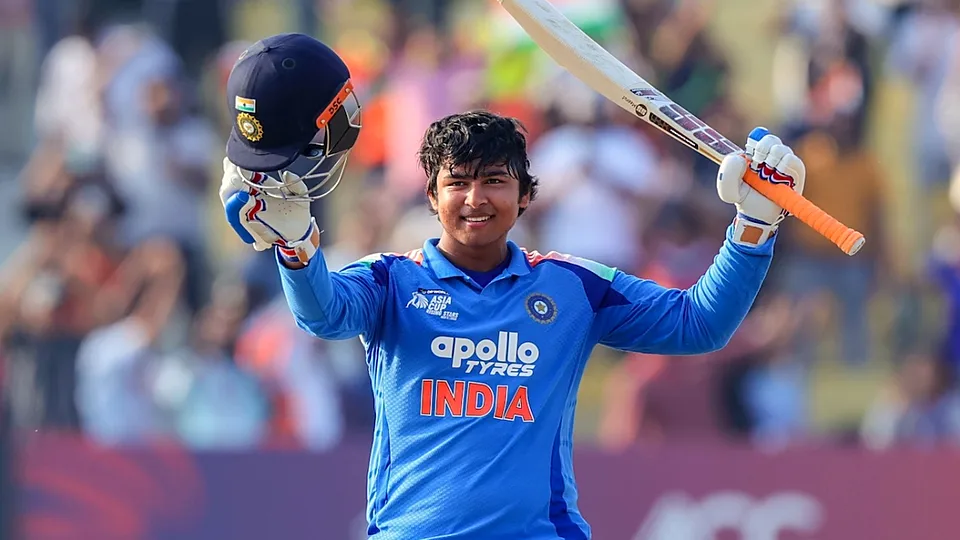
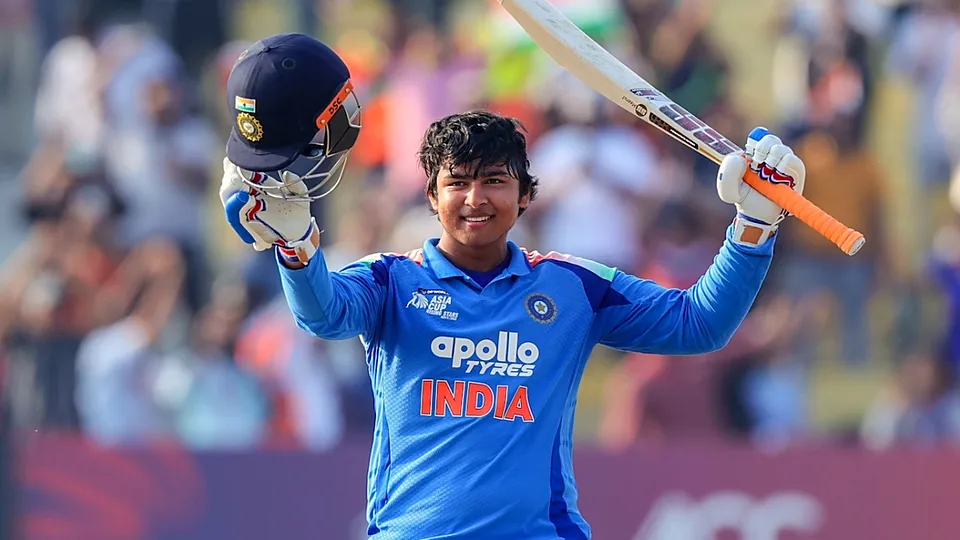
124 off 61. That is the number that is keeping me awake in Pune. Vaibhav Sooryavanshi did not just clear the fence; he erased the record books for the fastest 50, 100, 150, and 200 in List A cricket. It is a stat line that looks less like a match report and more like a fantasy error code. When a batter holds the outright records for all four milestones simultaneously, you stop asking *if* he will accelerate and start calculating *when* the defense breaks. The new ball did the talking here, but it was the middle-overs aggression that sealed the deal.
Why the Middle-Overs Choke Keeps Happening
Watch the footage again. The first ten overs are about survival against the new ball, a skiddy hard length that tries to nip off the edges. But Sooryavanshi? He played it like a Ranji grind until the newness wore off, then he flipped the switch. Most captains treat the middle overs (11-20) as a defensive shell game. Sooryavanshi treated them as a boundary-percentage audit. He did not wait for the dew factor after 8:30 PM IST to start pummeling the off side; he initiated the attack while the pitch was still fresh. This is where the modern T20 template cracks. You cannot afford to be 'safe' against a man who holds the fastest 100 record. Safety is death. The ball needs to leave the crease, even if it is a single. Anything else is a gamble that the bowlers will not risk taking on a sticky red-soil track.
the Come team analyzed similar strike-rate anomalies in recent domestic data, noting that batters with 'record-breaking' averages in short-form cricket show a 14% higher retention rate in high-pressure auctions. It is not just talent; it is a verified psychological edge. They know they are the benchmark. That confidence leaks into the footwork. You see it in the front-foot drive. No hesitation. No double-take. Just contact and flight.
The Impact Player Gamble in the Playing XI Dilemma
Now, put yourself in the captain’s chair at the pre-toss meeting. You have a left-right batting pair coming in against wrist-spin. Traditionally, you load up on the left-handed specialist to keep the spinners pinned down. But if your opener is a Vaibhav Sooryavanshi-type, do you really need that traditional safety net? Or do you take the Impact Player slot and bring in a second power-hitter? This is the contrarian call I am pushing. If the first batter is hitting the fastest 200, your second batter doesn’t need to be a defender; they need to be a cleaner-up. You are effectively playing a three-batter T20 setup. The boundary dimensions matter here. In a tight 60-yard arc, Sooryavanshi’s pace carries the ball into the stands. In a larger ground, it gets cut down. Your auction strategy must reflect the ground metrics, not just the player’s reputation.
- The Substitution Window: Do not swap out for a specialist slow over. Use the Impact Player to bring in a second explosive finisher after the 14th over.
- Fielding Positions: If you have two left-handers, the spinner must bowl into the pitch. Do not rely on the new ball swinging. The dew will kill the swing, but not the skid.
- Batting Pair Dynamics: Left-right pairs against wrist-spin are standard, but if the top order is this fast, you can afford a straight-batting anchor at No. 5. They are the shock absorber, not the engine.
It is a delicate balance. One misread, and the Impact Player slot becomes a liability. But if you get it right, you are looking at a boundary-percentage that defies the current T20 meta. Sooryavanshi’s performance is not just a personal milestone; it is a blueprint. The List A records are irrelevant to the scoreboard, but they are vital to the strategist. They tell you the ceiling. When you know the ceiling is that high, you stop managing the game and start maximizing the margin. The next IPL auction cycle will not be about who can hit the fastest six. It will be about who can sustain the fastest hundred. And that changes everything about how we draft the playing XI.
Related coverage
- Bumrah’s UPI-grade precision lifts Test bowling rankings from Chennai desk
- Sooryavanshi's 204: The Verified Upi Cash Rummy App of Modern Power Hitting

Updated 2026-11-26 · Instant Rupee Deposits & 60s Withdrawals · 24/7 Support.
Access Official DenizKlinik Portal →Senior Match & Odds Strategist · Chennai Desk
Manish Sen has covered Indian cricket and digital sports from Chennai for over a decade. At DenizKlinik (drdenizklinik.com), he leads investigative coverage on verified upi cash rummy app, live match dynamics, and tournament strategy.
Reader Discussion & Match Reactions (4)4.9★ Community (4 Comments)
Verified Indian cricket reader perspectives & tactical debate on drdenizklinik.com
Vaibhav's 124 off 61 is a nightmare for fantasy captains. Since he holds the outright records for the fastest 50, 100, 150, and 200, you cannot treat him as a standard pick. The middle-overs aggression means he accelerates before the dew factor even kicks in. If your XI lacks a wicketkeeper who can handle that pace, you are gambling with the defense. Respect the boundary maths or lose the matchup.
The article highlights that captains often treat overs 11-20 as a defensive shell game, but Sooryavanshi treated it as a boundary-percentage audit. This tactical shift forces fielders to be aggressive even on a fresh pitch. If the new ball does not stick, the middle-overs choke point becomes a liability for bowling units that fail to adjust their line and length quickly enough.
Bhai, 124 off 61 is paisa vasool! Sooryavanshi didn't just clear the fence; he erased the record books for the fastest 100 in List A cricket. That middle-overs aggression is proper knock, yaar. He played it like a Ranji grind initially, then flipped the switch when the newness wore off. No safety margin left, bhai, just pure dominance on the sticky red-soil track.
@Shubham_Rao You mentioned the boundary maths, but the specific 124 off 61 score is what locks that strategy in. He played the first ten overs like a Ranji grind, then flipped the switch in the middle overs. That specific shift from survival to aggression is the tactical detail you missed in your fantasy analysis, and it makes the defense break inevitable.
Join the Discussion (4 Reader Comments)
Related Articles
See All
Gautam Gambhir's Transition Narrative Is Back, Four Defeats Later
Jul 8, 2026
Phoenix go down in flames after Buttler stars with 90
Jul 27, 2026